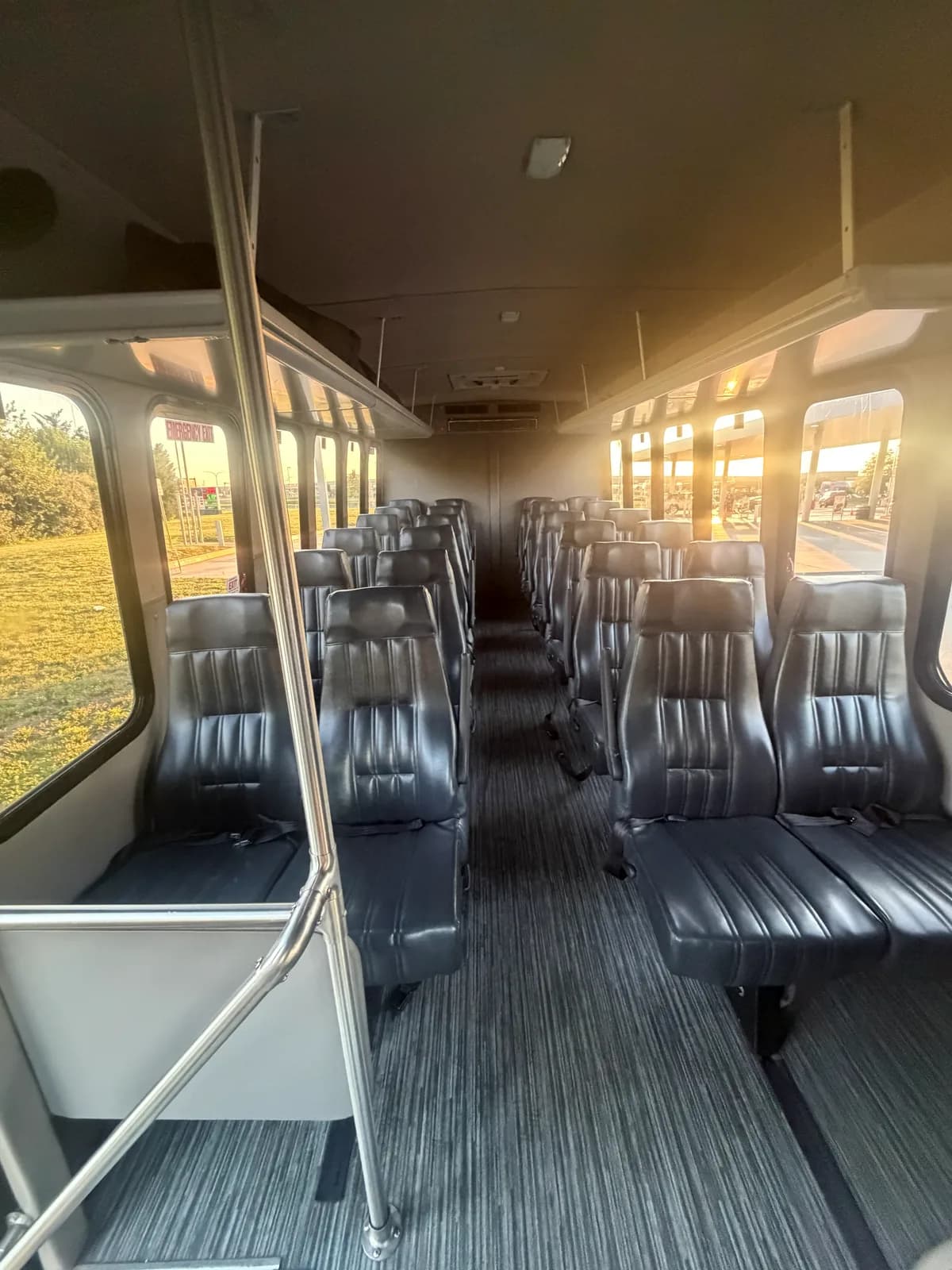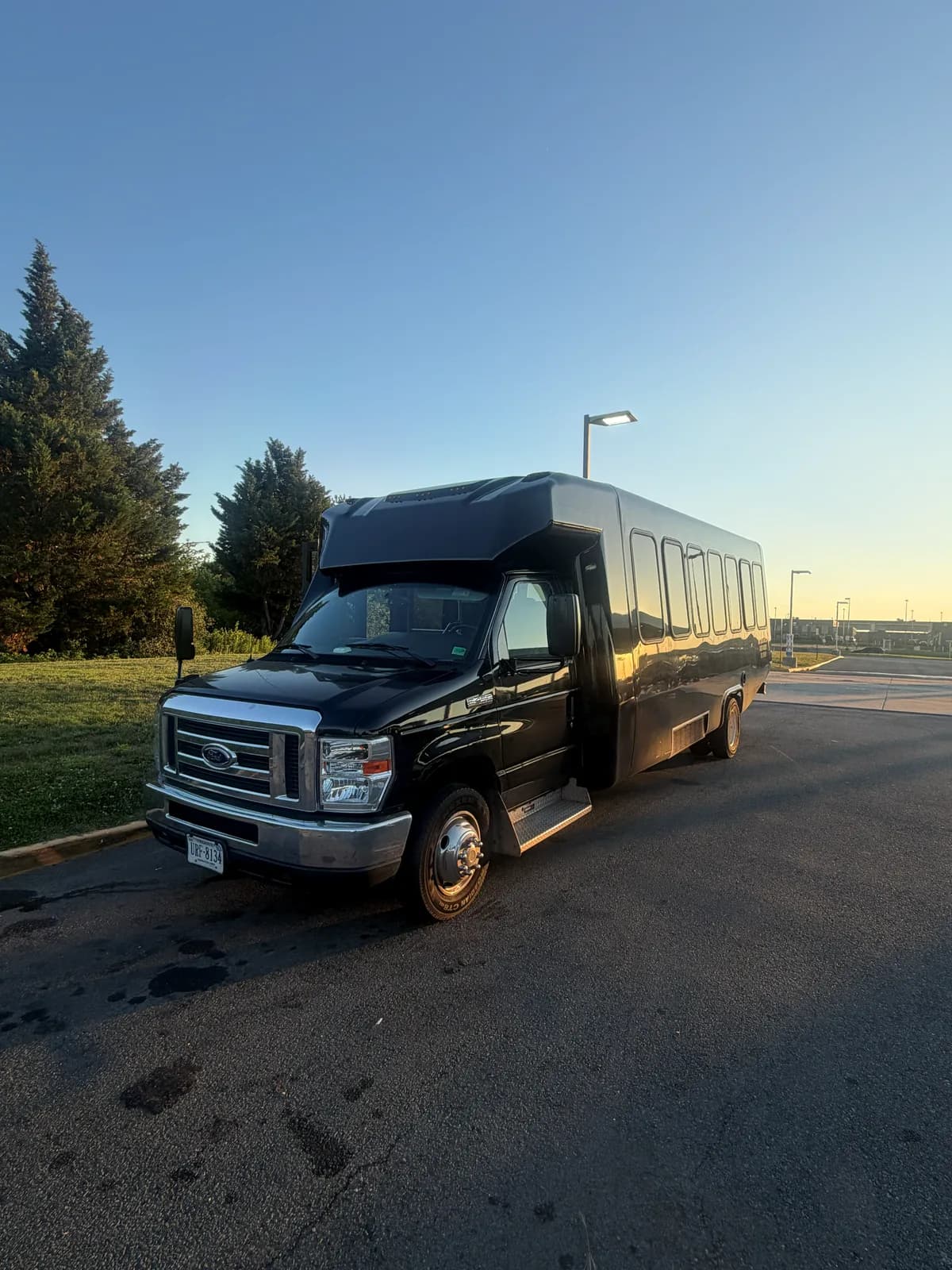
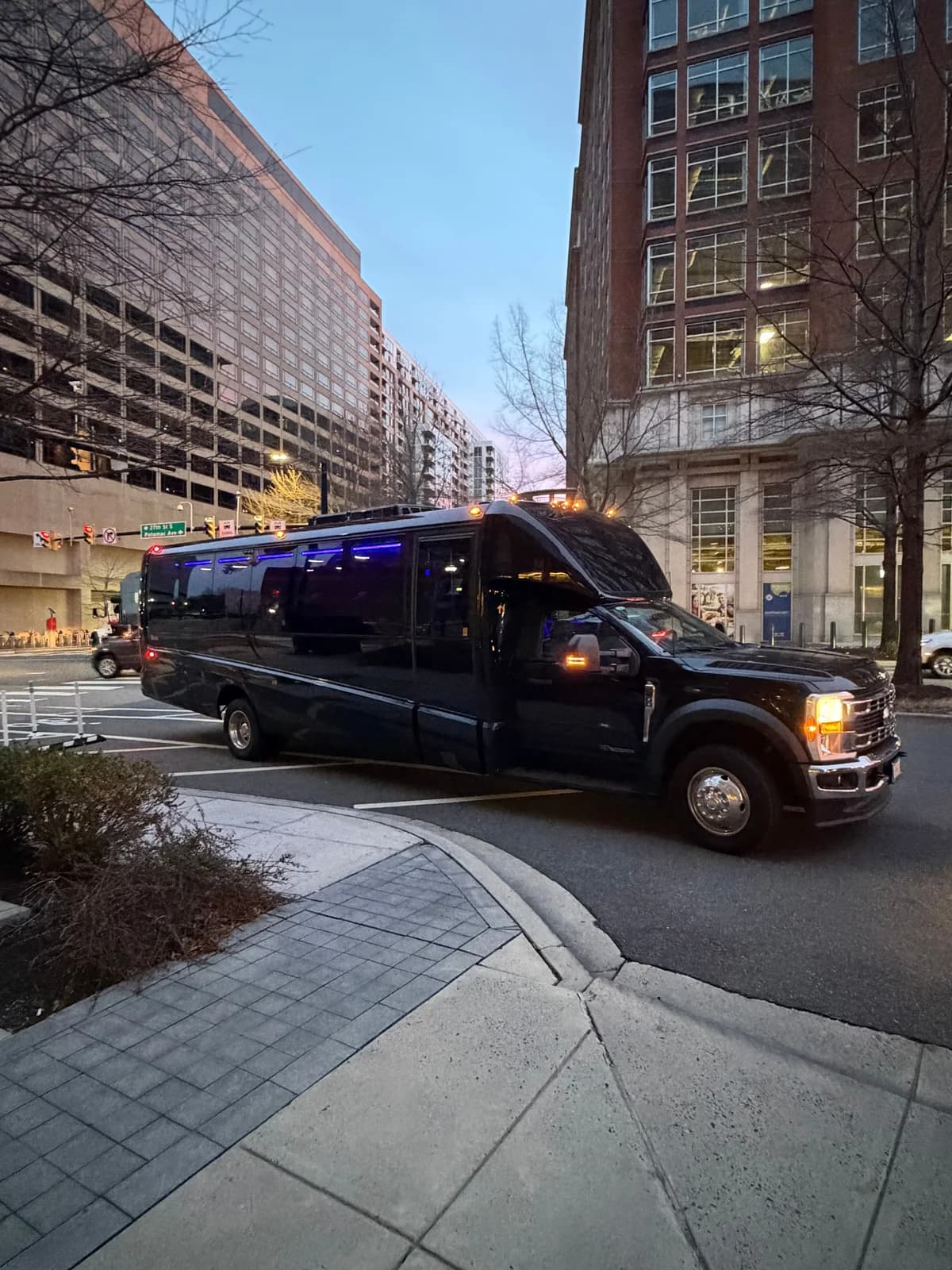
A night shift employee shuttle service supports hospital teams, warehouse crews and security personnel when scheduled public transit becomes limited. You gain predictable arrivals without asking exhausted employees to arrange separate late-night rides.
Night Shift Employee Shuttle Service Planning Priorities
A night shift employee shuttle service needs defined riders, departure windows and a named decision-maker before anyone selects vehicles. Establish the transport gap, the locations you serve and the expected arrival standard. Document whether your employer covers inbound trips, outbound trips or both directions.
Overnight Commuting Challenges
Night operations create 3 recurring barriers: limited transit, fatigue after long shifts and reduced visibility at boarding areas. Review each workplace entrance after dark rather than trusting daytime photographs. Hospitals, distribution centers and data facilities often run different handover schedules.
A night shift employee shuttle service also needs a missed-ride process because one late departure can strand a worker. Assign a dispatcher who can confirm the next available ride. Give workers one published number for urgent pickup problems.
Workforce Coverage and Service Goals
Set 3 measurable goals before requesting proposals: timely arrival, safe completion and acceptable cost per boarding. For example, you can target a 10-minute pre-shift arrival buffer as a planning assumption. Verify the actual buffer against security screening, walking distance and clock-in rules.
Define service boundaries for Washington, DC, Maryland and Northern Virginia. AZA Transportation serves the region and lists overnight workforce transport among its employee shuttle offerings.
Night Shift Employee Shuttle Service Demand Analysis
A night shift employee shuttle service works best when you estimate riders by departure time and pickup area. Start with shift rosters and a short employee survey. Never size the program from total payroll headcount alone.
Shift Schedules and Employee Pickup Data
Collect 6 inputs: shift start, shift finish, workdays, ZIP code, preferred pickup area and accessibility requirements. Ask for neighborhoods instead of personal street addresses during initial route planning. Store the survey separately from payroll files and restrict staff access.
Group schedule records into departure windows: 10 p.m., 2 a.m. and 6 a.m. Confirm which workers need the night shift employee shuttle service on weekends. Record overtime patterns separately because overtime departures often differ from normal rosters.
Passenger Demand by Departure Window
Count expected boardings for each one-way journey, not just each employee. Review Tuesday, Friday and Sunday demand independently before setting vehicle capacity.
For example, assume 28 booked riders at 6 a.m. and 12 riders at 2 a.m. The 2 departure windows need different capacity decisions.
A night shift employee shuttle service should allow workers to report shift swaps before a published cutoff. Set one daily roster lock time and one emergency exception process. Assign the employer coordinator authority to approve extra departures.
Overnight Shuttle Routes and Pickup Locations
A night shift employee shuttle service needs short, observable routes with accessible, well-lit stops. Choose stop locations before optimizing driving distance. A fast route still fails when workers must wait beside an isolated road.
Safe Boarding and Drop-Off Locations
Inspect every proposed boarding point at the same hour the shuttle will operate. Check street lighting, sidewalk access, curb clearance, camera coverage and nearby activity. Photograph the loading area during the site visit, subject to your privacy policies.
For a sample stop audit, examine the final 500 feet (152 m) between the stop and workplace entrance. Document crossing points and any locked gates. Do not assume security staff will open every entrance overnight.
Confirm a safe loading location with property managers before service begins. Include an accessible boarding option that meets applicable requirements. Keep the night shift employee shuttle service pickup instructions precise enough for a first-time rider.
Direct Routes and Transit Connections
Build 2 route types when demand supports both: direct workplace transfers and transit-hub feeder trips. Test each route after midnight when transit schedules change. Check actual Metro rail operating hours before promising a train connection.
You can place a pickup near an approved park-and-ride facility or a public transit hub. Obtain permission when your operator needs private curb space. AZA describes scheduled shuttle transportation programs for defined routes, campuses and recurring transportation needs.
A night shift employee shuttle service needs a published alternative when a final train or bus no longer operates. Avoid changing stops without advance approval from your site coordinator.
Night Shuttle Vehicles and Departure Schedules
A night shift employee shuttle service should match the highest expected one-way passenger load to confirmed seat capacity. Choose fleet size after the route and accessibility review. Confirm luggage or equipment needs before reserving a vehicle.
Passenger Capacity and Vehicle Assignment
AZA lists a Mercedes Sprinter with up to 15 passenger seats and a GM40 Black Bus with up to 40. AZA also lists a Van Hool Motorcoach with up to 56 passengers.
An overnight hospital loop with 11 expected riders fits a different vehicle profile than a 38-rider warehouse departure. Use actual reservation data, not assumptions about every shift. A night shift employee shuttle service should preserve approved seats for riders with accommodation needs.
Travel Time and Schedule Buffers
Calculate the complete cycle: driving, boarding, unloading, gate access, turnaround and recovery time. For illustration, 18 minutes driving plus 4 minutes boarding and 8 minutes recovery equals a 30-minute cycle. Test the example against live conditions before publishing a timetable.
Measure route length in both units, such as 10 miles (16 km), during your field test. A night shift employee shuttle service should arrive before clock-in rather than at the exact shift start.
Set a late-vehicle notification threshold and specify the responsible dispatcher. Publish pickup windows clearly, including the earliest boarding time and final departure time.
Driver Safety and Overnight Transportation Security
A night shift employee shuttle service needs documented driver checks, fatigue safeguards and an active emergency contact. Nighttime monitoring matters because fewer bystanders can assist during a breakdown. Audit the operator's actual response process before the first passenger boards.
Driver Qualifications and Fatigue Controls
Verify appropriate licensing, applicable passenger endorsements, insurance and operating authority for the assigned vehicle. Review driver qualification and replacement procedures with the provider. Use Federal Motor Carrier Safety Administration (FMCSA) records where federal oversight applies.
Ask how the operator manages driver rest, split assignments and long overnight duties. Fatigue controls should cover relief drivers and unexpected overtime.
Build a night shift employee shuttle service checklist around pre-trip inspection, seatbelt availability, lighting and safe boarding. Assign the operator responsibility for vehicle maintenance logs. Ask your safety team to review near-miss reports each month.
Passenger Tracking and Emergency Response
Use a boarding record, trip status and driver-to-dispatch communication for each service window. Keep an emergency escalation tree with named employer and operator contacts. Test a simulated missed pickup before launch.
Review whether the provider offers GPS trip visibility and a staffed night contact. Confirm who receives alerts when a vehicle stops unexpectedly. Do not promise monitoring features before the provider confirms actual availability.
A night shift employee shuttle service also needs a privacy rule for rider lists and addresses. Set a retention period through your existing data policy.
Night Shift Employee Transportation Costs
A night shift employee shuttle service's costs depend on vehicle hours, route distance, service frequency and contract terms. Compare complete recurring proposals rather than multiplying a public hourly rate into a guaranteed monthly price. Include approved contingency coverage in each quote request.
AZA Transportation Published Vehicle Rates
AZA publishes a $150 hourly base rate for its Mercedes Sprinter with a 4-hour minimum. The GM40 Black Bus lists a $180 hourly base rate and a 4-hour minimum. The Van Hool Motorcoach lists a $220 hourly base rate and a 5-hour minimum.
AZA's published rates page also lists a $15 fee for trips starting between midnight and 5:00 a.m. Eastern Time. These public figures are booking baselines, not guaranteed recurring workforce prices. AZA confirms final charges and availability in a written quote.
A night shift employee shuttle service proposal should identify deadhead travel, tolls, parking, waiting time and extra departure charges. Ask whether the published overnight fee applies to your proposed contract.
Overnight Fees and Recurring Contracts
Request fixed-route pricing and per-vehicle pricing for the same roster and route map. Ask the provider to specify minimum hours, planned stops, overtime, cancellation terms and monthly invoicing. AZA describes fixed-route and hourly models on its employee shuttle service page.
For an internal budget illustration, divide the quoted monthly total by completed passenger boardings. Do not include canceled trips in your boarding count. Compare the result across identical service windows and coverage rules.
A night shift employee shuttle service can reduce empty seats through carefully grouped pickups. However, excessive grouping increases travel time and lowers rider satisfaction. Review both cost per boarding and trip duration before cutting departures.
Shuttle Provider Selection and Contract Requirements
A night shift employee shuttle service requires written standards for safety, schedule changes and operator accountability. Compare bidders using identical route data and operating windows. Evaluate after-hours support before accepting a lower headline price.
Insurance, Accessibility and Licensing
Request current certificates of insurance and verify appropriate carrier registration. Confirm driver credentials and vehicle inspection responsibilities for your exact route. Discuss Americans with Disabilities Act (ADA) obligations with a qualified adviser.
Ask for wheelchair boarding provisions, trained assistance and an accessible pickup plan where necessary. Keep accommodation requests private and respond before assigning final routes. AZA describes corporate shuttle service options across workplace sites and campuses.
Backup Vehicles and Service Standards
Set a measurable arrival standard, defined dispatch contact and replacement-vehicle plan in the contract. State how dispatch reports late pickups and missed passengers. Include an incident escalation time and a named billing contact.
Test the night shift employee shuttle service backup procedure during the pilot, not after the first breakdown. Run a tabletop exercise for road closures, driver absence and canceled shifts.
Require a weekly review during launch.
How to Launch a 30-Day Night Shuttle Pilot
To launch a 30-day night shuttle pilot, validate demand, inspect stops, test routes and measure completed rides. Use the pilot to confirm real travel times and communication speed. A night shift employee shuttle service benefits from a limited initial route before full expansion.
Route Testing and Employee Communication
During days 1–7, finalize rider clusters, workplace entrances and operator requirements. During days 8–14, conduct nighttime drive tests and confirm accessible stops. During days 15–21, publish rider instructions and start controlled service.
Provide 4 rider details: stop address, boarding window, vehicle identification and support contact. Repeat the same information through employee email and workplace notices. Send an update whenever dispatch changes an approved pickup.
Live Monitoring and Service Adjustments
During days 22–30, review every scheduled departure and test emergency escalation. Record arrival variance in minutes and verify passenger counts. Hold a joint employer-operator review before approving continuation.
A night shift employee shuttle service pilot should document no-show rules and late-finish exceptions. Ask riders whether the waiting area feels safe after dark. Change unsafe stops immediately through the approved safety process.
Night Shuttle Performance and Continuous Improvement
A night shift employee shuttle service should use consistent measures for punctuality, rider adoption, safety and cost. Publish one weekly scorecard for each route. Review schedule changes before the next roster cycle.
Punctuality and Ridership Measurements
Track 6 measures: on-time arrivals, completed trips, boardings, missed pickups, incidents and cost per boarding. Define an on-time threshold in your contract. Separate operator delays from gate closures and weather disruptions.
Review the night shift employee shuttle service by shift rather than combining every departure. A 6:00 a.m. hospital run faces different constraints than a 1:00 a.m. warehouse run. Compare performance against each route's approved timetable.
Cost per Ride and Employee Feedback
Calculate cost per boarding as invoiced program cost divided by completed passenger boardings. Count each direction separately and exclude absent riders. Use the same calculation each month for valid comparisons.
Survey riders about arrival confidence, stop lighting, booking clarity and perceived security. Give employees a confidential issue-reporting channel. You can change pickup spacing only after checking journey time and accessibility.
A night shift employee shuttle service earns continued funding through documented use and dependable operations. Report both operational improvements and unresolved safety problems.
Night Shift Shuttle Implementation Checklist
Use a 6-task launch checklist to assign responsibility and protect the first service date. The following timings are suggested planning targets, not AZA service guarantees. Adjust the sequence for property approvals and carrier availability.
| Task | Timing | Method | Difficulty |
|---|---|---|---|
| Confirm workforce demand | Days 1–3 | Survey riders by shift and ZIP code | Easy |
| Inspect overnight stops | Days 4–7 | Visit each stop after dark | Medium |
| Validate routes and capacity | Days 8–14 | Test drives and seat checks | Medium |
| Finalize contract controls | Days 10–14 | Review insurance and escalation rules | Medium |
| Operate controlled pilot | Days 15–21 | Run approved departures and log boardings | High |
| Evaluate service results | Days 22–30 | Audit punctuality, safety and cost | Medium |
Your night shift employee shuttle service coordinator should sign off on the route map and emergency contacts. Ask the operator to confirm vehicle assignment before the first trip.
Frequently Asked Questions
Can an employee shuttle run after midnight?
Yes. Employers can schedule overnight routes with an operator offering the required service hours. Confirm the driver, vehicle, departure window and night dispatch coverage in writing.
Does a night shift employee shuttle service need fixed stops?
No. The night shift employee shuttle service can use fixed stops or approved flexible pickups. Choose the arrangement that fits rider demand, safe access and contract terms.
Is GPS tracking enough for overnight shuttle safety?
No. GPS shows vehicle location but does not replace trained drivers, safe stops, emergency response or dispatch oversight. Verify each control with your provider.
How much does an overnight shuttle cost?
The confirmed route quote sets the cost. AZA publishes a $150 hourly Sprinter base rate with a 4-hour minimum. Recurring night routes require contract-specific pricing.
How long should employers test a night shuttle route?
A 30-day pilot gives you a structured review period. Test nighttime pickup access before live service, then inspect punctuality, safety, ridership and costs.
Building a Reliable Night Shift Shuttle Program in 2026
A night shift employee shuttle service succeeds when you combine verified shifts, safe stops, qualified drivers and measurable service standards. Start with one controlled route, review the 30-day results and adjust before expansion. For the DC, Maryland and Northern Virginia region, request employee shuttle service details and a written quote from AZA Transportation, or call (571) 725-8544.
About the author:
Amar-Awan