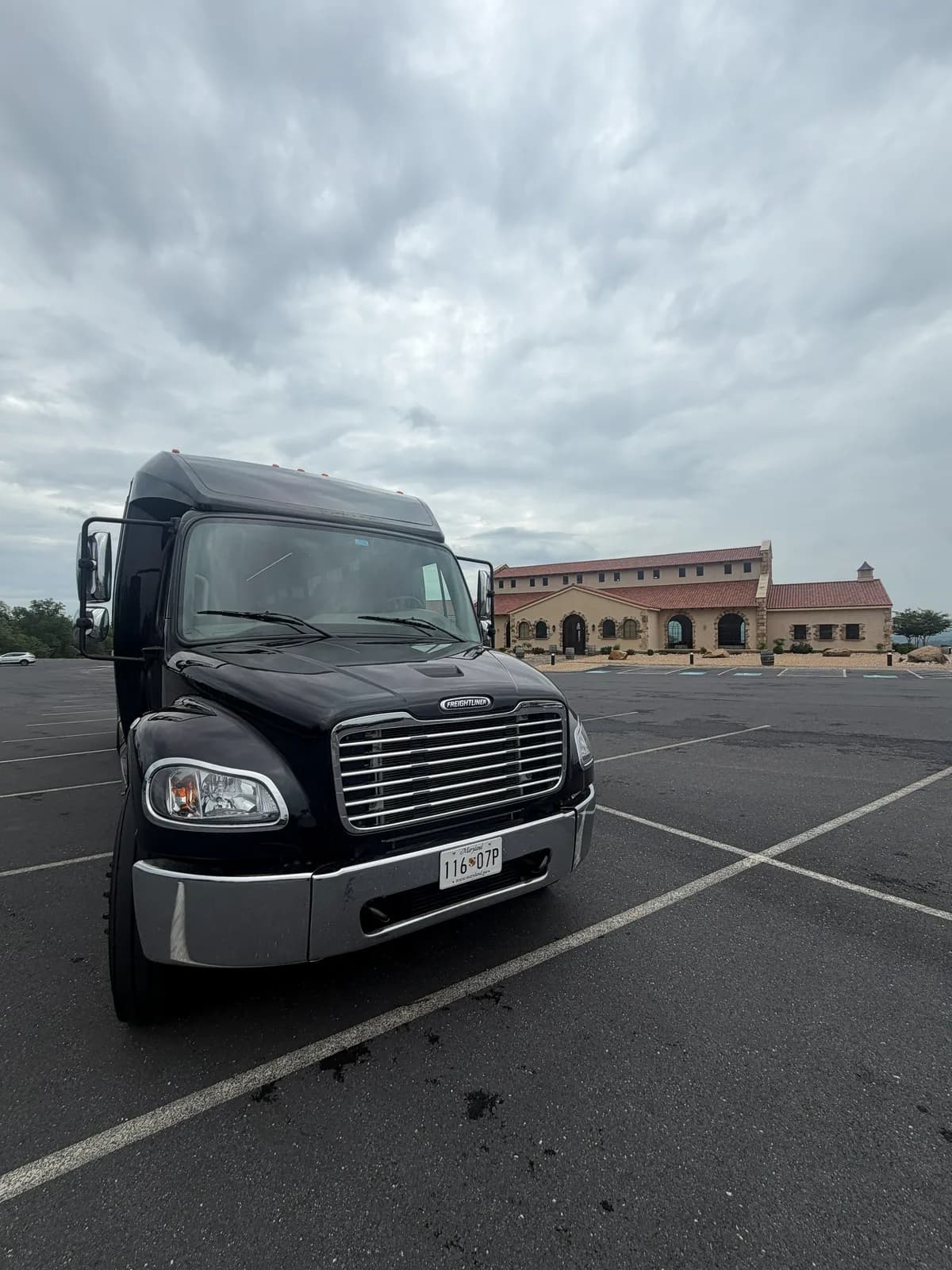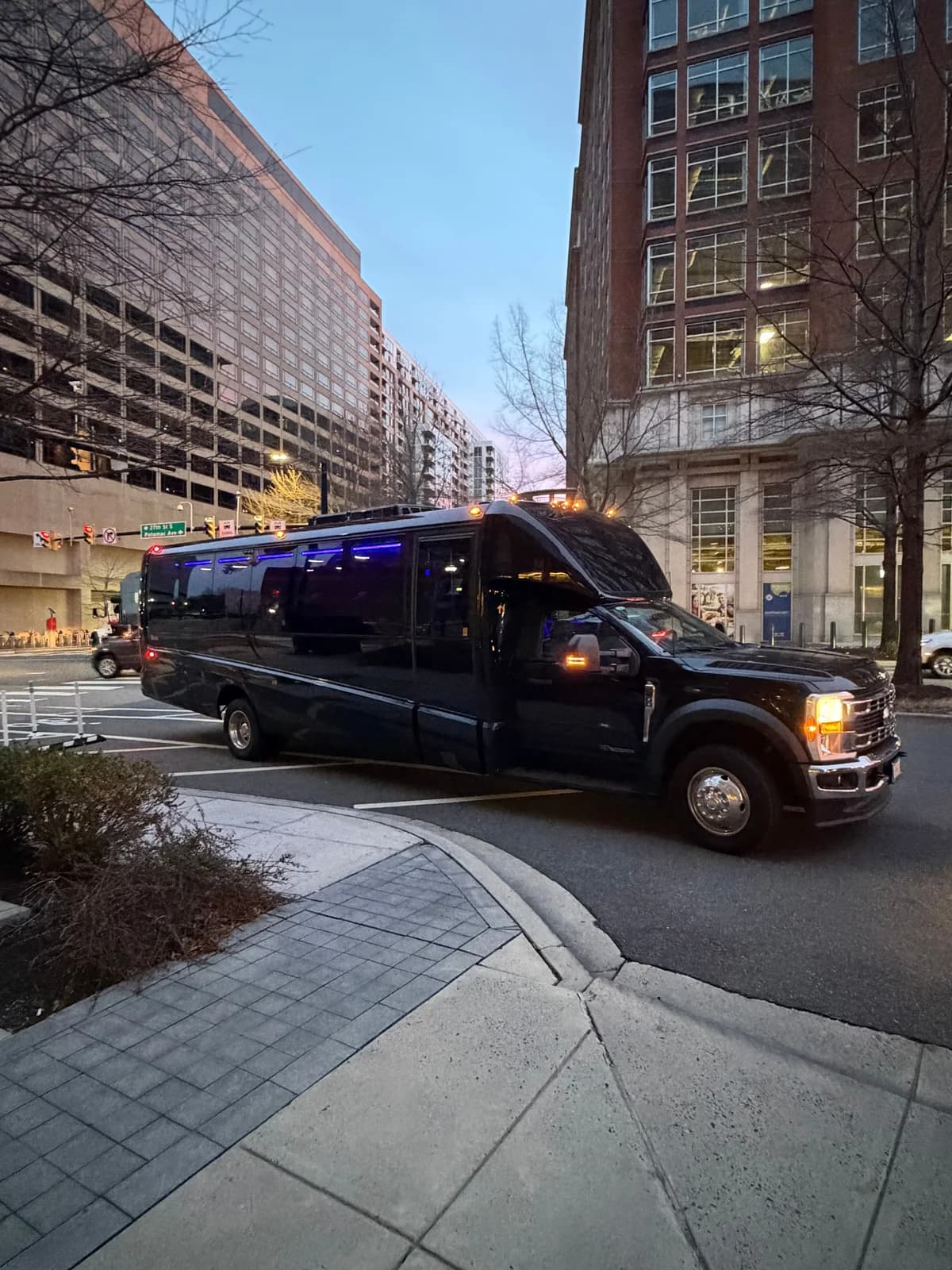
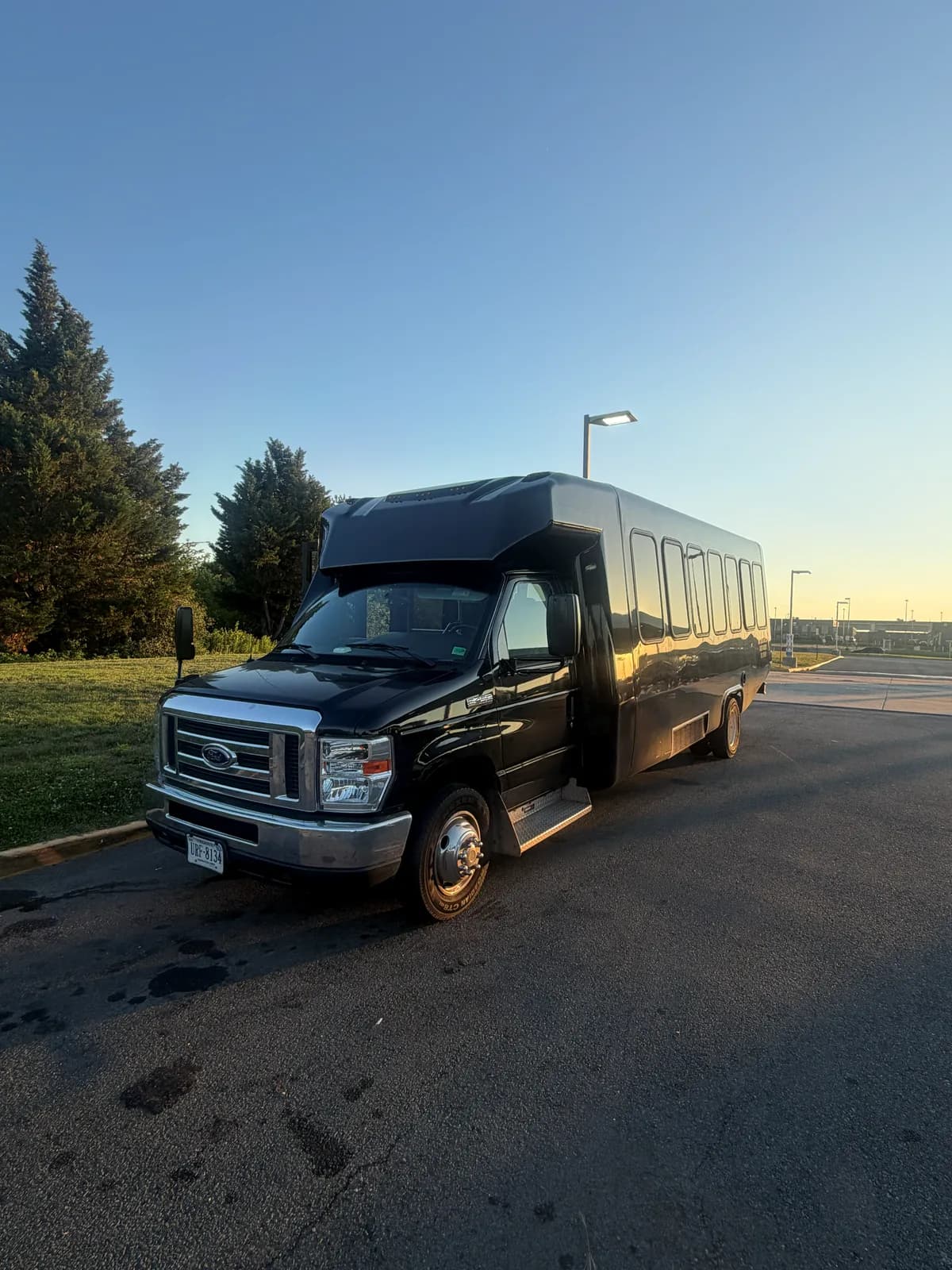
A construction worker shuttle service moves crews between approved parking areas, transit stops, lodging, and jobsite entrances on planned routes. You run the program by measuring demand, assigning vehicles, timing departures, approving stops, and tracking each shift.
The site superintendent controls construction access, while the shuttle operator manages transportation to approved pickup and drop-off points. Your project team must coordinate both responsibilities before crews arrive.
Construction Worker Shuttle Service Operations
A construction worker shuttle service follows a repeatable cycle: collect workers, travel to an approved entrance, unload safely, and return. You align each cycle with reporting times, security checks, and the project logistics plan.
Remote Parking and Jobsite Transfers
Remote parking shuttles serve workers whose personal vehicles cannot enter a congested construction site. You reserve a permitted lot, designate a boarding area, and publish the pickup schedule.
For example, a downtown Washington, DC, renovation can connect a leased parking garage with a contractor entrance. A Northern Virginia data center project can connect an approved staging lot with its designated gate.
Confirm commercial loading permission with the lot owner and relevant local authority. Keep worker parking rules separate from delivery vehicle routes. A shuttle does not replace your site access approvals.
Shift-Based Crew Transportation
Shift-based routes concentrate departures before start times and after trade release. You schedule electricians, drywall installers, and concrete crews around their actual reporting windows.
Give workers an arrival target before their shift begins. Allow time for screening and walking to their work area. Track the last return trip separately, because overtime crews often leave after the main shift.
Set a dispatch contact for missed departures. A named dispatcher can redirect a backup vehicle without leaving workers at an unstaffed pickup point.
Construction Worker Shuttle Service Demand Planning
Reliable demand planning starts with rider counts by departure window, not total project headcount. You need daily estimates from the general contractor and participating subcontractors.
Workforce Counts and Trade Schedules
Collect expected shuttle riders from subcontractors such as electrical, mechanical, and structural teams. Request the reporting time, release time, boarding location, and attendance forecast for each trade.
Separate workers who drive to the remote lot from workers arriving by Metro or commuter rail. You can combine compatible pickup groups only after checking travel time and boarding capacity.
For a planning example, 90 workers might require transportation between 6:00 and 6:30 a.m. A second group of 25 might start at 7:00 a.m. The different windows need different departure plans.
Peak Ridership and Project Phases
Size vehicles for the busiest 15-minute or 30-minute interval, then check the full shift. Average daily attendance can hide queues during a concentrated morning arrival.
Update demand at 3 construction stages: mobilization, peak construction, and closeout. Concrete pours, steel erection, and building commissioning can change gate activity and shuttle demand.
Ask every trade lead to confirm next-day changes before a fixed cutoff. Your dispatcher can then update vehicle assignments and send revised times to workers.
Construction Site Routes and Pickup Locations
A practical route links approved passenger stops without crossing active equipment movements. You should inspect every stop with the site superintendent before launch.
Off-Site Parking and Staging Areas
Choose a lot with legal shuttle access, safe pedestrian paths, lighting, and enough space for boarding queues. Verify the lot lease and vehicle waiting rules before publishing pickup instructions.
A route might cover 0.5 mile (0.8 km) between remote parking and the jobsite entrance. Measure travel during the actual morning peak, because a midday drive gives misleading timing.
Mark the boarding point on a simple site map. Give the stop an exact address and entrance description, rather than telling workers to wait near the parking lot.
Approved Gates and Worker Check-In
Use a dedicated passenger drop-off area outside concrete truck approaches and forklift routes. The superintendent should confirm the walking path between drop-off and badge check-in.
Keep the driver informed about gate closures, crane deliveries, and lane restrictions. You can use scheduled shuttle transportation options when the project needs repeatable transfers between designated stops.
Identify a second approved drop-off location before disruptions occur. Your site coordinator must authorize any change and tell workers where to report.
Compare both access gates during your first project week. A backup gate can protect crew arrivals during concrete deliveries or temporary road closures.
Construction Shuttle Vehicles and Scheduling
Choose the smallest workable fleet that clears each peak rider group before reporting time. The correct choice depends on seats, cycle time, and access restrictions.
Passenger Capacity and Vehicle Selection
AZA lists 15 seats for its Mercedes Sprinter and 30 for its Mini Party Bus. Its GM40 carries 40 passengers. Its VanHool motorcoach carries up to 56 passengers.
Compare the posted capacity with actual boarding needs, including personal bags and accessibility accommodations. Ask AZA to confirm vehicle suitability and available accessible options for the exact route.
Do not put unsecured power tools, fuel containers, or construction materials into passenger seating areas. Arrange a separate approved equipment plan with your site manager.
Round-Trip Timing and Dispatch Frequency
Calculate a shuttle cycle by adding outbound driving, boarding, unloading, return driving, and recovery time. Your dispatch schedule must reflect the complete cycle.
For example, an illustrative cycle could take 18 minutes: 5 outbound, 3 unloading, 5 return, and 5 recovery. A 30-minute demand window then allows only 1 complete cycle per vehicle without tighter timing.
Recheck cycle times after any lane closure or gate relocation. Maintain an approved backup plan when vehicle delays threaten shift start times.
Jobsite Shuttle Safety and Access Requirements
Shuttle safety requires legal passenger stops, qualified drivers, visible pedestrian routes, and a documented response plan. You should assign a site owner to each control.
Loading Zones and Pedestrian Separation
Place boarding queues away from reversing trucks, material deliveries, and equipment crossings. Use signs, cones, and designated marshals where the site traffic plan requires them.
Check sightlines at night and during early morning darkness. Keep the boarding area free from open excavations, unsecured obstacles, and blocked accessible paths.
The National Institute for Occupational Safety and Health (NIOSH) recommends separating people on foot from moving construction equipment. Review your internal traffic control plan with shuttle drivers before opening the stop. Your superintendent should revise the plan after major site access changes.
Never direct workers through active haul roads simply to shorten the walk. Confirm the approved route after construction fencing or site access changes.
Driver Credentials and Emergency Procedures
Ask the operator for applicable authority, insurance documentation, driver qualifications, and vehicle inspection records. Confirm requirements with the carrier and project procurement team.
Write down the dispatch telephone, site superintendent contact, breakdown response, and alternate pickup location. Conduct a short practice drill before the first paid service day.
Make the driver responsible for operating the vehicle, not checking construction trade credentials. Your site security team must control workforce badges and access permissions.
Construction Workforce Transportation Costs
Budget the transport program by vehicle hours, service days, route distance, and the actual contract terms. A published hourly base rate is not an all-inclusive project quote.
AZA Transportation Published Vehicle Rates
AZA publishes a $150 hourly base rate for the 15-passenger Sprinter, with a 4-hour minimum. Its 30-passenger Mini Party Bus and 40-passenger GM40 each start at $180 per hour, with 4-hour minimums. Review AZA's published rates before you request a quote.
AZA lists a $220 hourly base rate for the 56-passenger VanHool, with a 5-hour minimum. Mileage, standard transportation charges, parking, tolls, and other surcharges can change the final total.
AZA also lists a $15 fee for trips starting between midnight and 5:00 a.m. Eastern Time. Ask for a written construction shuttle quote covering both morning and afternoon operations.
Project Contracts and Cost per Worker
Compare quotations using identical hours, routes, backup coverage, and passenger targets. Your finance team should separate vehicle service charges from parking lot expenses and security staffing.
Calculate cost per completed passenger ride by dividing your invoiced program total by actual boardings. For an illustrative $2,400 operating total and 300 completed rides, the result equals $8 per ride.
The $2,400 example explains arithmetic and does not represent an AZA quote. Request corporate workforce shuttle planning for project-specific scheduling and contract discussions.
Shuttle Provider Selection and Service Contracts
A construction transport contract must define service boundaries, dispatch responsibilities, and changes across project phases. You should request written answers before signing.
Insurance and Operator Verification
Verify operator licensing and insurance with the relevant state and federal resources for the proposed service. The Federal Motor Carrier Safety Administration (FMCSA) publishes a free carrier Company Snapshot where applicable. Match the listed operator identity with the carrier submitting your quote. Request current certificates and confirm any project-specific coverage limits.
Compare driver qualification procedures, vehicle maintenance records, and incident reporting steps. Ask who notifies the superintendent when a shuttle reaches the gate late.
Document the exact transportation boundary. Passenger service to an approved gate does not grant automatic access inside a controlled work zone.
Backup Vehicles and Service Commitments
Write the departure window, expected capacity, vehicle substitution rules, and cancellation notice into the agreement. Identify dispatch coverage for early starts and overtime releases.
Request a replacement response process for breakdowns, weather disruptions, and blocked roads. Ask whether the operator charges additional amounts for standby vehicles and schedule changes.
Set the approval path for extra runs. A named general contractor representative should authorize changes before the carrier adds chargeable service.
Ask for itemized invoices showing dates, vehicle hours, added stops, and approved changes. Compare each invoice with dispatch logs before payment. Document who pays for worker transport: the project owner, general contractor, or participating subcontractors.
How to Launch a Construction Shuttle Program
To launch a construction shuttle program, validate routes, test boarding operations, and monitor a defined pilot. Use a 30-day sequence rather than guessing from a map.
Route Testing and Site Coordination
During days 1–7, confirm rider windows, approved stops, lot permissions, and gate access rules. Walk the worker route with the superintendent and shuttle coordinator.
During days 8–14, time 3 representative round trips at the expected arrival period. Record boarding delays, turning restrictions, and the safe place for vehicles to wait.
Adjust departures around the longest observed cycle, not the shortest. Keep written approval for the tested pickup and drop-off points.
Employee Communication and Pilot Operations
During days 15–21, publish departure times, stop maps, missed-shuttle contacts, and worker parking rules. Brief subcontractor foremen before the first live shift.
During days 22–30, record boardings, delays, missed pickups, and complaints every day. Review the first 7 operating days with both the contractor and carrier.
Change a route only through the named coordinator. Send updated information through the worker communication channel before the new schedule starts.
Construction Shuttle Performance Monitoring
Measure whether the shuttle moves workers safely and predictably at an acceptable cost. Your weekly review should combine dispatch records with site attendance feedback.
On-Time Performance and Vehicle Occupancy
Track 4 core measures: on-time arrivals, completed trips, passenger boardings, and missed departures. Define an on-time threshold in the contract, such as arrival within 5 minutes.
Calculate occupancy using actual riders divided by confirmed seats. For example, 24 riders in a 30-seat vehicle produce 80% occupancy.
Review overcrowded runs before adding extra stops. A shorter route or different departure time can improve capacity without expanding the entire service day.
Workforce Changes and Route Adjustments
Review the manpower forecast every week and confirm changes at each new construction phase. Update routes for steel crews, electricians, and finishing teams as their numbers change.
Track worker wait time, vehicle recovery time, and transport-related late arrivals. Compare those measures against contract charges rather than judging the program by vehicle size alone.
Keep a record of route changes, safety incidents, and dispatch decisions. The documentation supports invoice review and helps your next project estimate transportation accurately.
Review performance every Friday during peak construction. If a route misses the agreed arrival target twice, assign an owner and a corrective deadline. Confirm that the next week's crew forecast reflects current trade activity.
Construction Shuttle Implementation Checklist
Use the following task sequence to set clear owners and prevent missed launch requirements. The durations represent planning targets, not guaranteed approval timelines.
| Task | Timing | Method | Difficulty |
|---|---|---|---|
| Confirm workforce counts | Days 1–3 | Trade roster and shift survey | Low |
| Approve pickup locations | Days 3–7 | Lot permission and site walk | Medium |
| Validate route cycles | Days 8–10 | Timed peak-hour test runs | Medium |
| Confirm vehicle and operator | Days 10–14 | Written quote and document review | Medium |
| Brief subcontractors | Days 15–18 | Map and departure notice | Low |
| Start the pilot | Days 19–21 | Supervised dispatch and rider log | High |
| Evaluate service results | Days 22–30 | KPI review and route adjustment | Medium |
A construction worker shuttle service needs 1 accountable project lead and 1 accountable transport dispatcher. You should share the final schedule with participating trade supervisors before launch.
Frequently Asked Questions
What does a construction worker shuttle service do?
Dedicated shuttles transport crews between approved parking, transit, lodging, and designated jobsite stops. You coordinate trips with shift start and release times.
Can construction shuttles serve overnight shifts?
Yes. You can request overnight service for construction crews. Confirm driver coverage, lighting, approved stops, and any applicable early-morning fees before booking.
Do worker shuttles enter active construction zones?
No, not automatically. Your superintendent must approve vehicle access and designate safe stops. The carrier follows the approved operating boundary.
Are monthly construction shuttle prices fixed?
No. AZA publishes hourly vehicle base rates, not a universal monthly construction contract price. Request a written quote for your specific route and schedule.
How many shuttles does a construction site need?
Fleet size depends on peak riders, seats, and trip cycle time. Divide demand into arrival windows, then test the route before confirming vehicles.
Reliable Construction Workforce Transportation in 2026
The strongest construction shuttle plan connects real shift demand with safe stops, verified transport capacity, and written dispatch rules. You protect project schedules by reviewing performance as crews change. For a Washington, DC, Maryland, or Northern Virginia project, call (571) 725-8544 or discuss employee shuttle service options with AZA Transportation and request a route-specific quote.
About the author:
Amar-Awan