To set up a corporate campus shuttle program, survey employees, map safe stops, choose vehicles, and test scheduled routes. Then appoint an operator, publish departure times, and measure actual ridership before expanding service. Start with observed travel demand, not total payroll headcount.
A corporate campus shuttle program moves staff between parking lots, work buildings, and nearby transit hubs. A dependable plan matches each trip with a defined stop, departure window, and accountable service owner. Your campus needs a transport plan that employees can understand and your finance team can measure.
Corporate Campus Shuttle Program Goals and Boundaries
A corporate campus shuttle program works best when you define a specific transport problem before selecting a bus. Set one primary objective, such as parking relief, quicker interbuilding trips, or dependable Metro connections. Then specify eligibility, operating days, campus boundaries, and required arrival windows.
3 Primary Campus Travel Patterns
Identify 3 route patterns before drawing a map: remote parking to buildings, building to building, and transit station to campus. A parking connector protects walking time and supports remote lots. An interbuilding loop serves meetings and work assignments. A transit connector supports employees arriving on Metro or commuter rail.
Keep long neighborhood commutes separate from short campus circulation. Neighborhood routes need residential demand clusters and longer road-time calculations. A corporate campus shuttle program should not combine unrelated trips when one diversion threatens every scheduled arrival.
Success Metrics Before Procurement
Set a baseline for 4 practical outcomes: employee arrival times, parking occupancy, daily boardings, and travel time between buildings. Give each outcome an owner, measurement method, and target date. Use completed trips and observed arrivals rather than survey interest alone.
Corporate Campus Shuttle Program Demand Research
Survey likely riders before assigning vehicle capacity. A corporate campus shuttle program depends on passenger demand by departure, not employee totals. Gather site addresses, reporting times, regular office days, and preferred pickup locations. Collect only data you genuinely need for route planning.
Employee Surveys and Privacy Boundaries
Ask employees 5 short questions covering worksite, shift start, shift end, commute mode, and preferred connection. Offer named choices, such as a garage, office entrance, or Metro station. Use ZIP codes instead of full home addresses when regional patterns matter.
Peak Passenger Loads and Shift Changes
Count riders separately for each 15-minute arrival window. 40 interested workers across 2 hours need a different schedule from 40 riders arriving together. Include Monday, Tuesday, and Thursday hybrid attendance patterns where relevant. Record separate demand for overnight, early, and regular shifts.
Create a small departure worksheet with stop, boarding count, destination, and required arrival. Add a contingency column for unexpected attendance. Your first corporate campus shuttle program schedule should protect the busiest recurring windows before offering low-demand trips.
Campus Shuttle Stops and Route Engineering
Build routes around safe, lawful boarding points and measured travel time. Your corporate campus shuttle program should connect destinations without unnecessary detours. Walk each proposed stop, inspect vehicle access, and confirm permission from the relevant property owner or transportation authority.
Parking Lot and Interbuilding Loops
Map building doors, garage exits, security gates, and pedestrian crossings. Choose stops near marked walkways instead of busy loading lanes. Test a direct loop before adding optional stops. A shorter, reliable circuit usually produces a clearer timetable for employees.
For a hypothetical site, test a 1.5-mile (2.4-km) loop between 2 offices and 1 parking area. Record actual driving and boarding time during a workday. Treat the distance as a planning example, not a published AZA route or guaranteed journey time.
Transit Connections and Safe Loading Zones
Coordinate campus departures with real transit arrival windows. Check station rules before assigning a pickup curb. Confirm signage, accessible paths, lighting, turning space, and passenger waiting areas. Washington Metropolitan Area Transit Authority (WMATA) station access needs specific approval where required.
A corporate campus shuttle program serving Washington, DC, can connect an approved Metro pickup point with an office campus. Arlington, Tysons, and Reston employers should check each site's vehicle access separately. Avoid implying that a shuttle reservation grants curb permission.
For flexible route styles, review AZA's scheduled shuttle transportation options while preparing your route brief. The service describes scheduled routes and recurring shuttle arrangements across the Washington, DC, Maryland, and Virginia region.
Vehicle Capacity and Shuttle Timetables
Choose vehicles from peak boardings, confirmed seating, and actual trip frequency. The corporate campus shuttle program should offer enough usable seats without paying for empty capacity all day. Ask your operator to confirm accessibility arrangements and real seating limits before publication.
Matching Vehicle Size to Demand
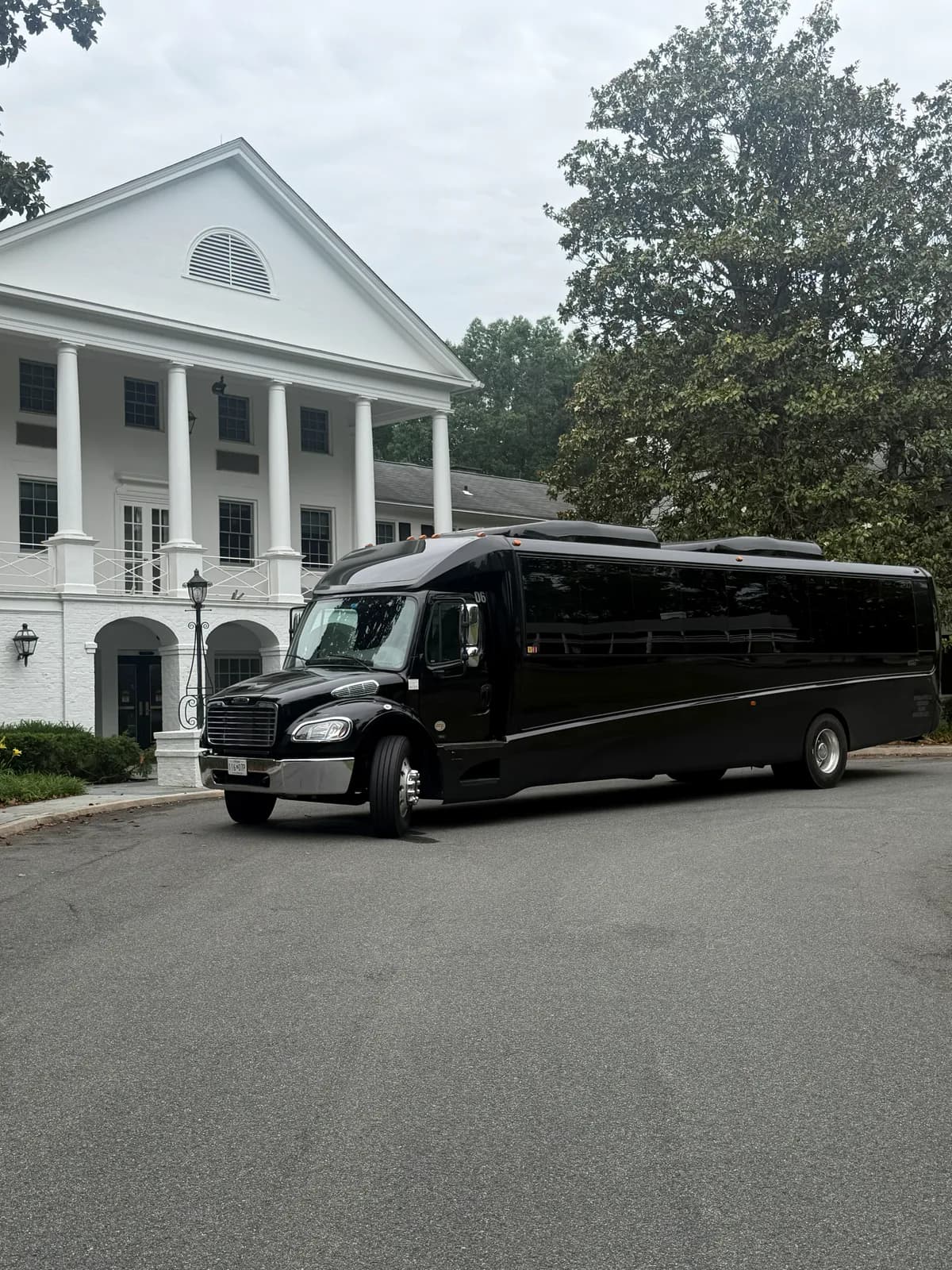
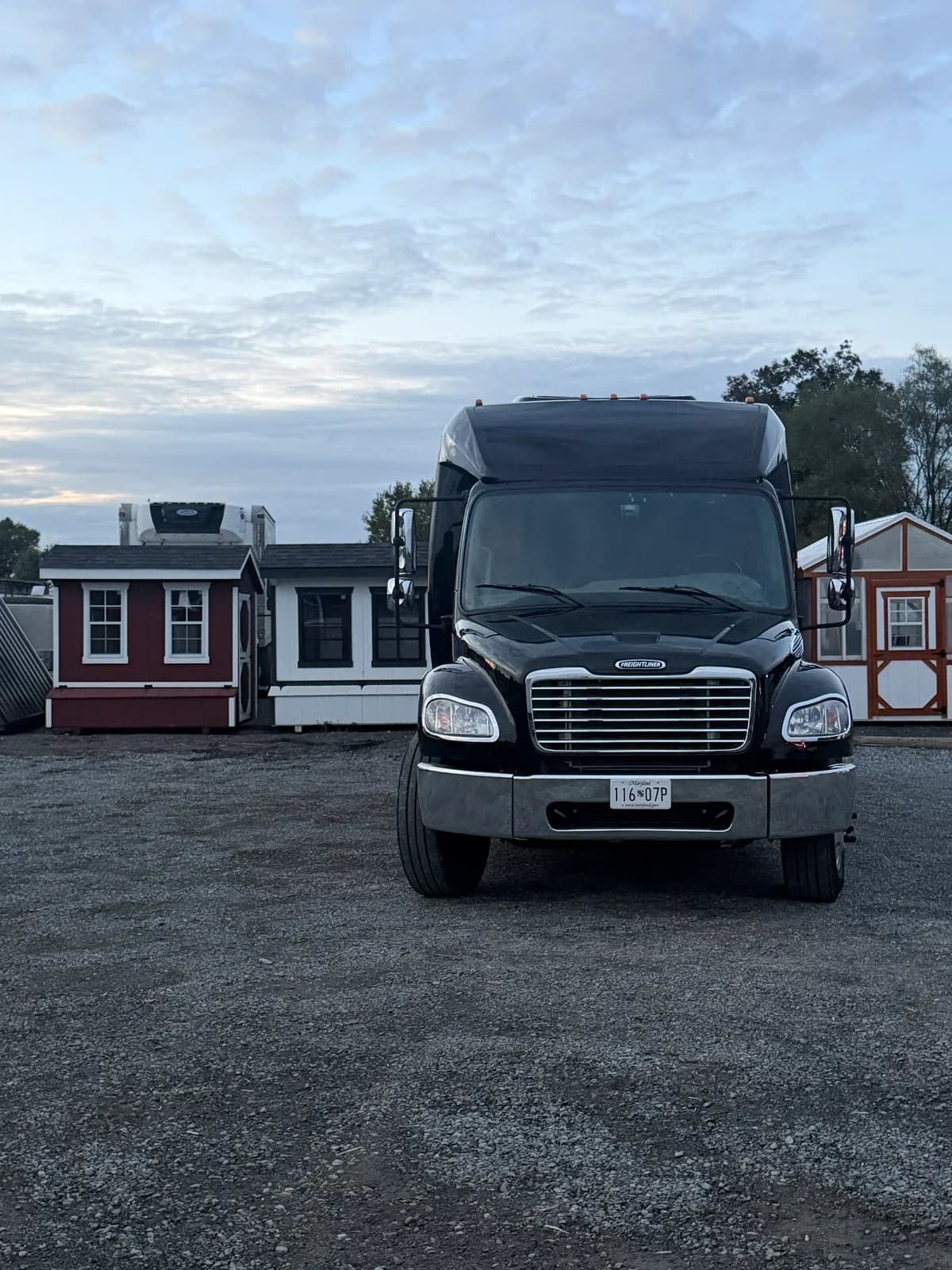
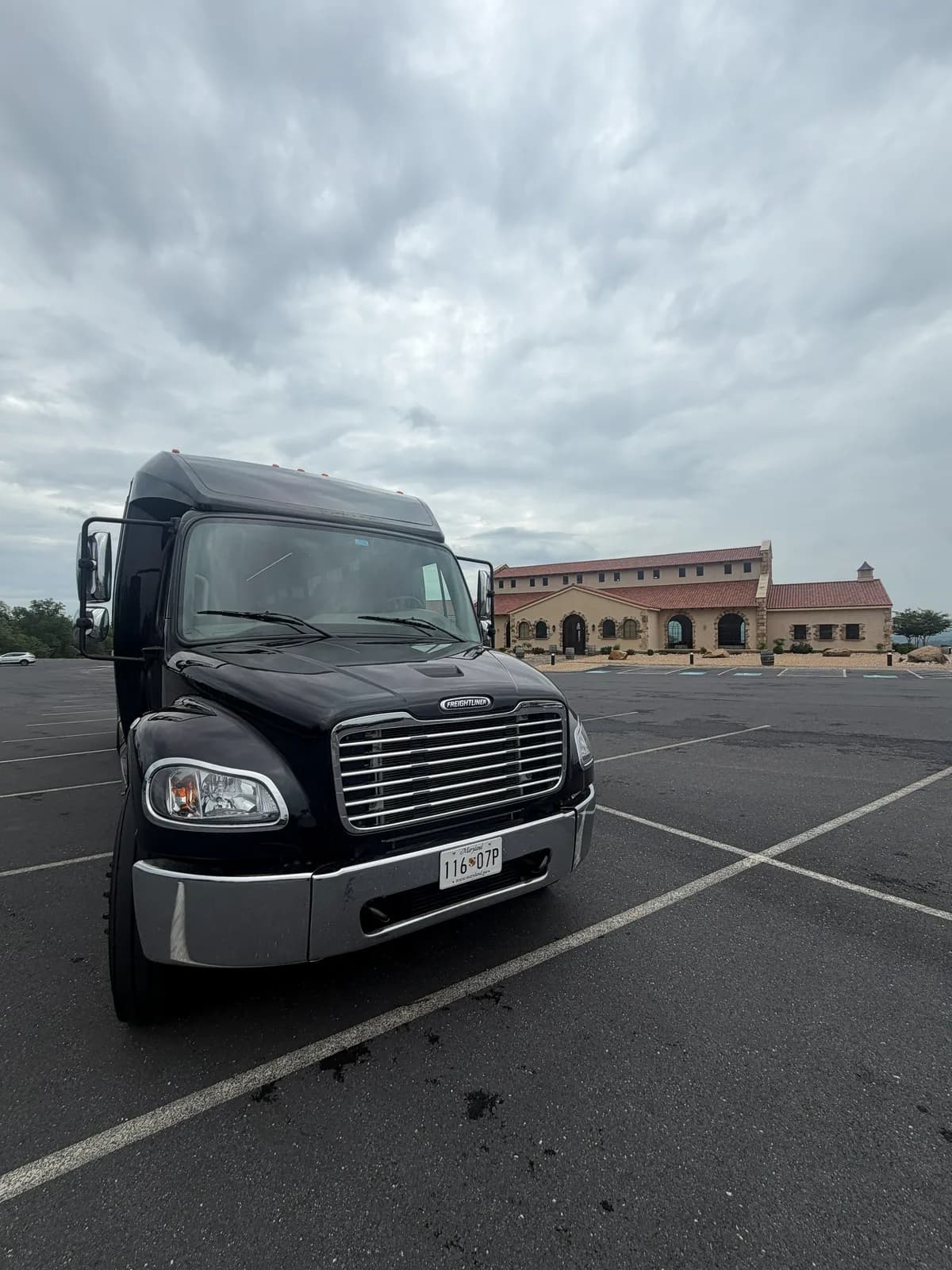
Separate total riders from riders on one departure. A 12-person peak group needs different capacity from a 35-person shift change. AZA lists a Mercedes Sprinter for up to 15 passengers and a GM40 Black Bus for up to 40 passengers. Confirm suitability before assigning either vehicle.
Review boarding restrictions, accessible space, and any equipment carried by employees. Do not treat a maximum advertised seat count as a guaranteed usable count. An effective corporate campus shuttle program uses a capacity plan that reflects the actual passengers boarding each trip.
Calculating Cycle Time and Recovery Buffers
Calculate cycle time = driving + boarding + unloading + turnaround + recovery. Drive the actual route at the intended hour. Record delays caused by security gates, traffic lights, crossings, and weather. Test morning and evening operations separately.
For example, a measured 18-minute cycle needs at least 2 vehicles for 10-minute departures under identical conditions. Two vehicles offer 20 vehicle-minutes for every 10-minute interval. Check actual staffing and recovery time before confirming a published headway.
A corporate campus shuttle program also needs a plan for temporary closures and late trains. Name the person who changes the schedule and the channel employees will receive updates through. Avoid promising fixed headways until route tests support the timetable.
Shuttle Operator Selection and Contract Requirements
Select a provider through documented capability, not a low headline price. Your corporate campus shuttle program needs trained drivers, suitable equipment, backup arrangements, and a named point of contact. Request the same planning brief from each bidder so pricing reflects comparable service.
Safety Records and Provider Verification
Verify operating authority, relevant insurance, driver qualifications, maintenance processes, and required permits for the proposed service. Requirements change with vehicle type, operating area, and service configuration. Ask the provider to explain applicable Federal Motor Carrier Safety Administration (FMCSA) requirements in writing.
Also confirm accessible service capabilities and incident procedures before signing. Ask for a sample inspection process and emergency contact workflow. Written operating standards let your facilities, procurement, and safety teams evaluate the same evidence.
Service Standards and Backup Arrangements
Write service-level terms covering on-time arrivals, approved stops, substitute vehicles, missed trips, and reporting frequency. Define who pays for additional service hours and who approves route changes. Require advance notice for nonemergency timetable changes.
A corporate campus shuttle program should specify a backup driver, replacement vehicle procedure, and severe-weather decision owner. Ask how dispatch communicates delays to riders and employers. Confirm whether live location tracking and boarding counts form part of the quoted service.
AZA describes recurring commuter and shift transportation on its employee shuttle service details page. Include any requested tracking, reporting, or accessibility features in your written proposal rather than assuming every feature comes standard.
Corporate Shuttle Pricing and Budget Planning
Budget a corporate campus shuttle program from written route-specific proposals, not generic daily shuttle estimates. Pricing depends on service hours, driver coverage, vehicle class, distance, and contract term. Model busy and quiet days separately before you approve recurring costs.
AZA Transportation Published Fleet Rates
AZA's published fleet rates list $150 per hour for a Mercedes Sprinter, with a 4-hour minimum. AZA lists a GM40 Black Bus at $180 per hour, also with a 4-hour minimum. A VanHool Motorcoach starts at $220 per hour, with a 5-hour minimum.
These figures are published hourly base rates, not negotiated corporate campus shuttle program contract rates or all-inclusive totals. AZA notes additional mileage, standard transportation charges, parking, tolls, and other surcharges. Request a written total for your exact recurring schedule before promising a budget.
Recurring Contract Pricing Factors
Send the provider 7 pricing inputs: stops, route mileage, service days, operating hours, peak passengers, vehicle requirements, and contract duration. Include known holiday closures and security access needs. Ask for separate figures covering startup, ongoing service, overtime, and approved route changes.
Compare the same scope across bids. One proposal can include dispatch support while another lists dispatch separately. Your corporate campus shuttle program budget should explain monthly charges, deadhead travel, and standby coverage.
Cost per Completed Passenger Ride
Calculate cost per completed boarding = total program cost divided by completed boardings. A hypothetical $12,000 monthly operating budget and 2,000 completed boardings equal $6 per boarding. These sample numbers illustrate arithmetic, not AZA pricing or an area-market quote.
Also track cost per operating hour and parking demand changes. Ridership alone does not measure a service's usefulness when a route protects critical shift changes. Keep your corporate campus shuttle program business case tied to the objective you selected.
Accessibility and Campus Shuttle Security
Plan accessibility and security before launching service. Your corporate campus shuttle program needs boarding locations, vehicles, and instructions appropriate for eligible employees. Ask relevant legal and accessibility advisers to review the specific service design and applicable requirements.
Accessible Boarding and Vehicle Requirements
Review step-free access, curb conditions, boarding assistance, and appropriate securement equipment. Check whether the chosen vehicle and stops match employees' stated needs. An accessible shuttle requires more than a wheelchair symbol on a route map.
Employee Communications and Data Protection
Publish a stop map, departure schedule, contact number, and disruption procedure. Share updates through approved channels, such as company email, an employee portal, or posted stop signage. Avoid exposing names, badge identifiers, or trip histories through public links.
Set a data retention schedule for shuttle surveys and boarding logs. Assign one person to respond to complaints or lost-property reports. A corporate campus shuttle program earns rider trust through visible updates and predictable service changes.
How to Launch a 30-Day Campus Shuttle Pilot
To launch a 30-day campus shuttle pilot, approve the route brief, verify stops, and measure live performance. Use the first 2 weeks for preparation and the next 2 weeks for controlled operations. A corporate campus shuttle program benefits from a fixed review date before long-term expansion.
Week 1 Demand Validation and Stop Approval
Confirm rider interest by shift and pickup location. Inspect each candidate curb with facilities and security staff. Get necessary property or agency permissions before printing stop signs. Prepare an initial schedule from measured demand rather than optimistic estimates.
Set pilot thresholds for completed trips, on-time arrivals, and complaints. Your pilot owner should approve the targets before supplier selection. A corporate campus shuttle program needs written success criteria rather than a vague promise of convenience.
Week 2 Route Testing and Operator Coordination
Run supervised route tests during actual commute peaks. Time every boarding, turnaround, and access checkpoint. Confirm driver's contact path, rider alerts, backup arrangements, and emergency procedures. Publish the timetable only after your team verifies the route timings.
Hold a short readiness meeting with operations, human resources, security, and the provider. Confirm who can authorize changed stops or extra hours. Test the employee notice process before the first publicized departure.
Weeks 3-4 Live Operations and Adjustments
Start live trips and capture boardings for every run. Review late arrivals daily and investigate repeated delays. Ask riders 3 questions about stop convenience, timetable clarity, and trip reliability. Change one major route variable at a time.
At day 30, compare costs, on-time arrivals, and boardings with your opening targets. Keep a corporate campus shuttle program route only when your documented measures justify continuation. Rework underused departures before authorizing a larger fleet.
Shuttle Performance Measurement and Expansion
Measure the corporate campus shuttle program weekly to keep service aligned with real campus movement. Each report should identify a trend, its operational cause, and the owner of the next action. Include both employee experience and finance measures.
6 Weekly Performance Indicators
Track 6 indicators: on-time departures, on-time arrivals, completed boardings, seat occupancy, missed trips, and cost per boarding. Define every indicator consistently. Count a missed scheduled trip even when a replacement vehicle arrives late.
Use the same reporting windows each week. Record planned departure and actual departure timestamps separately. Your corporate campus shuttle program dashboard should highlight repeated problem stops, not bury service failures inside monthly averages.
Rider Feedback and Route Expansion
Expand only after recurring evidence shows unmet demand. Consider a larger vehicle when peak departures repeatedly approach usable seating capacity. Add a second route when a detour materially hurts existing riders. Remove low-value stops only after reviewing accessibility and service commitments.
Corporate Campus Shuttle Setup Checklist
Use the following implementation sequence to assign responsibility and protect the launch. Every timing entry represents a planning target, not an AZA service guarantee. A corporate campus shuttle program still needs site approval and a provider-confirmed start date.
| Task | Timing | Method | Difficulty |
|---|---|---|---|
| Confirm rider demand | Days 1-3 | Survey by stop and shift | Low |
| Approve safe stops | Days 3-7 | Site inspection and permission | Medium |
| Test travel cycles | Days 8-10 | Peak-hour timed drive | Medium |
| Confirm operator terms | Days 8-14 | Written scope and contract | High |
| Publish rider schedule | Days 12-14 | Map, notices, and contacts | Low |
| Review live operations | Days 15-30 | Daily logs and weekly dashboard | Medium |
Frequently Asked Questions
How long does a corporate campus shuttle program take to launch?
Plan 30 days for a structured pilot. Actual mobilization depends on approvals, vehicle availability, and contract requirements. Confirm the start date with your operator.
Can a corporate campus shuttle program connect to Metro stations?
Yes. You can plan station-to-campus service after confirming appropriate stop access and transit schedules. The station authority controls curb permissions.
Does every corporate campus shuttle program need a large bus?
No. Select the vehicle from confirmed peak boardings, usable capacity, accessibility needs, and service frequency. Empty seats alone do not improve reliability.
Can employers use AZA's hourly prices as monthly contract rates?
No. AZA's published vehicle prices are hourly base rates with stated minimums. Request a specific recurring-program proposal and final all-inclusive quote.
Which measure shows whether a corporate campus shuttle program works?
On-time completed rides and rider adoption give you the strongest initial operating signals. Pair those measures with cost per boarding and parking outcomes.
Launching a Reliable Corporate Shuttle in 2026
A corporate campus shuttle program succeeds through measured demand, safe stops, and tested timetables. Start with a 30-day pilot, assign accountable owners, and evaluate verified operating results before expanding service. For Washington, DC, Maryland, or Virginia routes, request AZA's corporate shuttle service details and a written quote. Call (571) 725-8544 to get started.
About the author:
Amar-Awan