Parking reimbursement costs less when your available parking expense stays below the shuttle cost per regular rider. Your employee shuttle vs parking reimbursement decision favors shuttles when shared routes replace enough avoidable parking expense.
You need a matched monthly calculation before choosing either benefit for your Washington, DC workplace. Compare the same commuting population, office attendance, service calendar, and employer contribution. Count actual riders rather than available seats. Separate confirmed supplier prices from planning assumptions before approving your budget.
AZA Transportation offers employee commute planning across Washington, DC, Maryland, and Northern Virginia. Your employee shuttle vs parking reimbursement review should start with workforce demand, rather than a vehicle reservation.
Employee Shuttle vs Parking Reimbursement Cost Verdict
Choose the benefit with the lower total cost for your actual commuting demand. Cheap parking and scattered home locations favor reimbursement. Concentrated demand around 1 transit station strengthens the shuttle case.
Your employee shuttle vs parking reimbursement calculation needs 3 inputs: avoidable parking expense, complete shuttle expense, and regular ridership. A full vehicle does not prove savings when your employer already owns inexpensive parking. An empty parking garage does not justify reimbursement when your workforce cannot reach your workplace without shared transportation.
Use 2 separate measures: employer cash spending and employee access. A shuttle can improve access without reducing your immediate operating budget. Record access improvements separately through verified hiring reach and attendance results. Avoid claiming savings from employee satisfaction without measurable financial evidence.
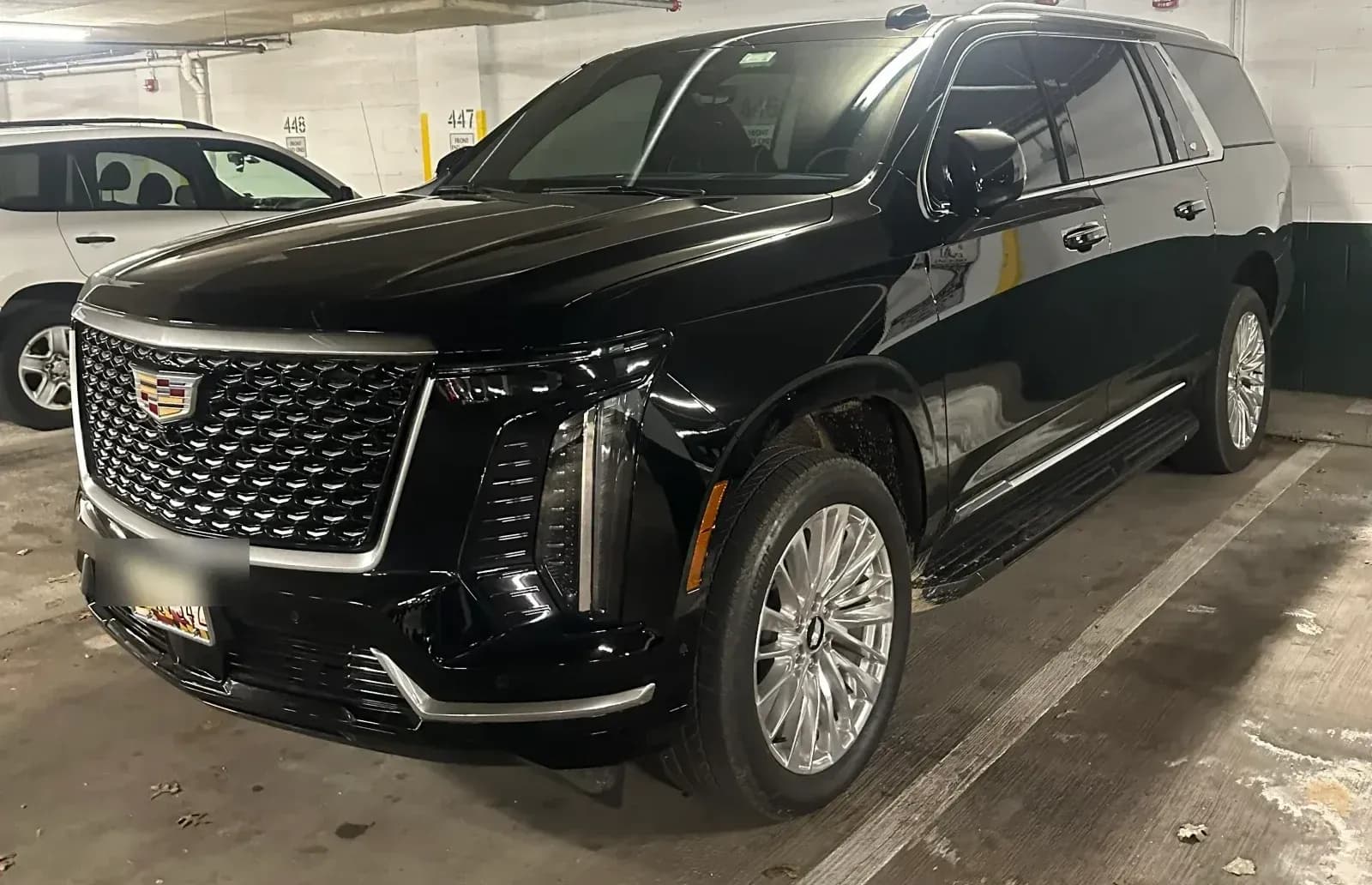
For larger shared movements, include AZA's charter bus service in your transport review. Keep private executive travel under black car service. Track visiting staff under airport transportation. Separate each travel category before comparing recurring commuter spending.
Verified AZA Rates and Monthly Budget Inputs
Start with AZA's published base rates, then request a recurring contract quote. Your employee shuttle vs parking reimbursement forecast needs the contracted total before approval.
Published Vehicle Rates
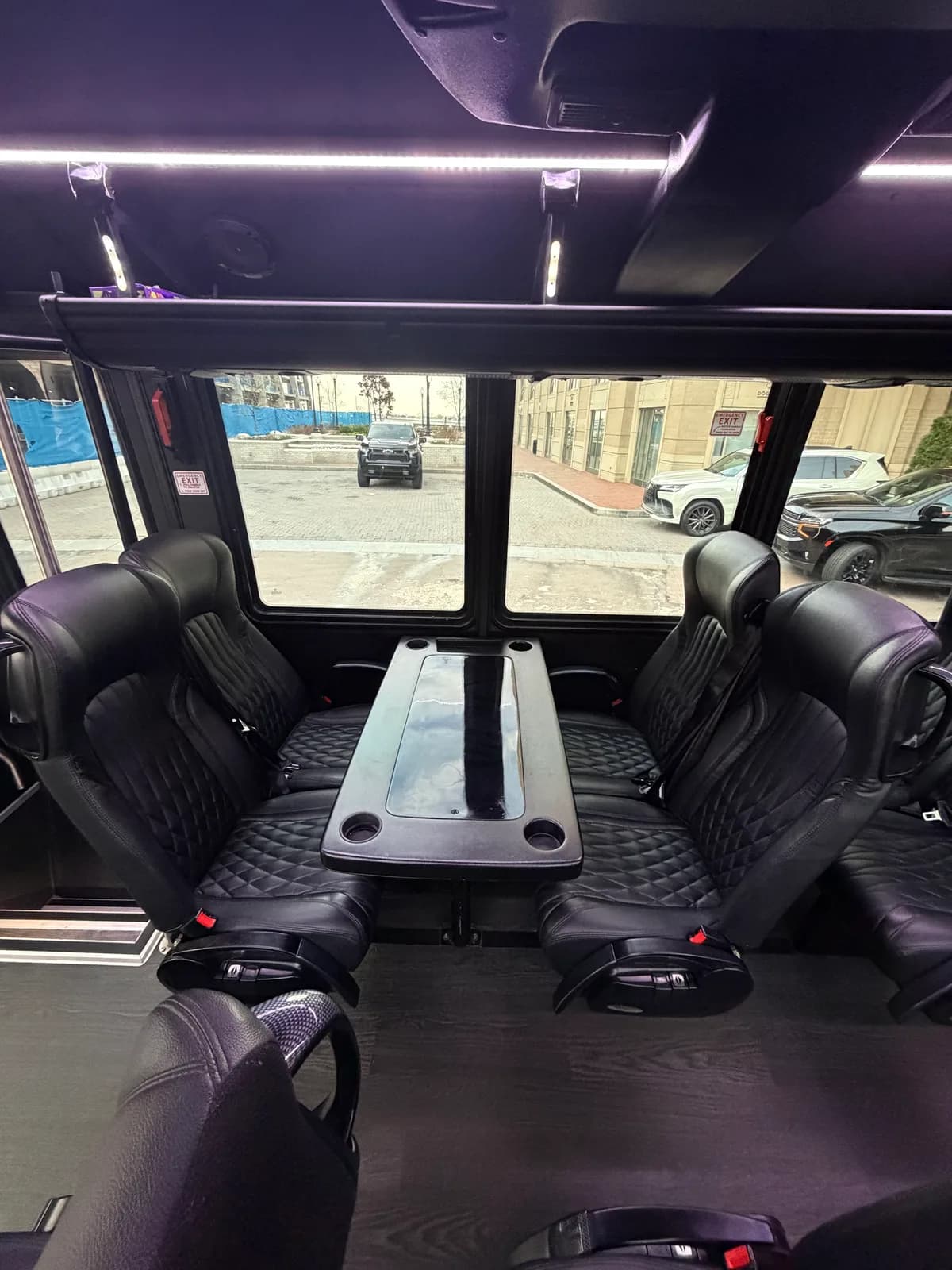
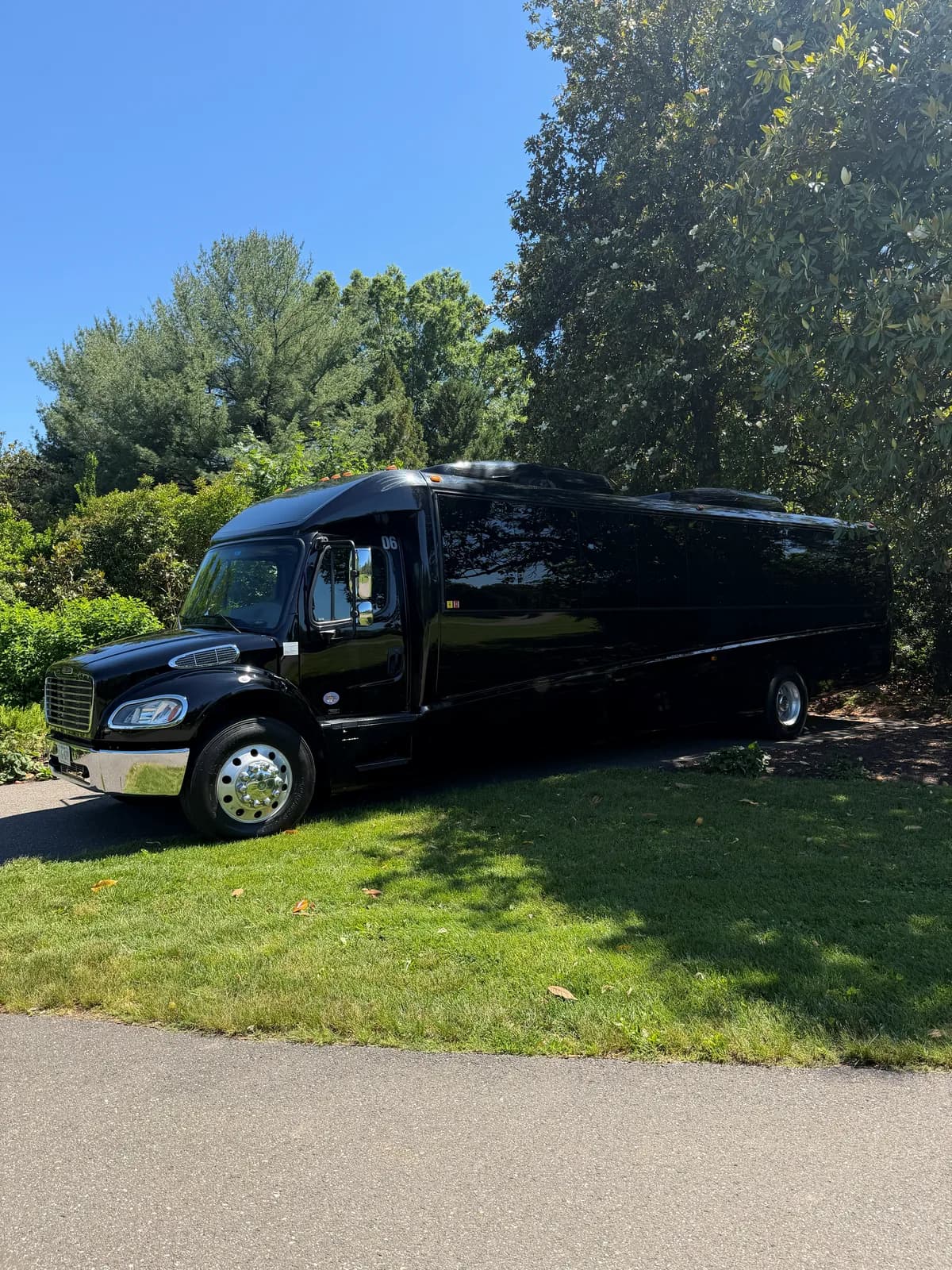
AZA lists the GM40 Black Bus at $180 per hour with a 4-hour minimum, accommodating up to 40 passengers. The published Mercedes Sprinter rate starts at $150 per hour with a 4-hour minimum. AZA lists capacity up to 15 passengers for the Sprinter.
Review the published vehicle rates while setting your initial budget. Treat every listed figure as a base rate rather than an all-inclusive recurring shuttle price. Confirm vehicle suitability, final seating capacity, and route availability directly before choosing either vehicle.
Contract Charges and Service Windows
Ask AZA whether 2 separated service windows create 1 minimum charge or 2 minimum charges. A morning pickup and evening return do not automatically share 1 booking minimum. Request written treatment for waiting time, garage travel, and driver coverage.
Record the quoted treatment for fuel, tolls, gratuity, and parking. Confirm additional charges before calculating employee shuttle vs parking reimbursement savings. Do not advertise a negotiated discount before AZA confirms the contract price. A public hourly rate does not establish a monthly contract commitment.
Employee Shuttle vs Parking Reimbursement Break-Even Math
Your shuttle wins financially when the complete shuttle bill falls below the parking expense you can actually eliminate. Compare like-for-like attendance before choosing a benefit.
Matched Monthly Cost Calculation
Use 3 planning assumptions: 40 regular riders, 20 service days, and 4 billable hours daily. Multiplying AZA's $180 hourly base by 4 hours produces a $720 daily base. Multiplying $720 by 20 days produces a $14,400 monthly base.
The $14,400 figure represents arithmetic using public rates, not an AZA recurring-service quote. The example excludes unconfirmed additions and assumes 1 daily minimum covers your complete schedule. Replace the example whenever AZA quotes a different service structure.
Divide $14,400 by 40 regular riders to get $360 per rider per month, before additions. Assume a hypothetical $300 monthly parking reimbursement for each participating employee. Your parking spending equals $12,000 monthly, making parking $2,400 cheaper before other adjustments.
Change the hypothetical reimbursement to $400 per employee. Parking now costs $16,000 monthly, leaving a $1,600 allowance for shuttle additions before costs match. Neither hypothetical reimbursement represents a verified Washington, DC garage rate. Substitute your actual garage invoice or approved reimbursement cap.
Attendance and Capacity Sensitivity
Calculate employee shuttle vs parking reimbursement break even by dividing complete monthly shuttle expense by avoidable parking expense per rider. Using the $14,400 base and $400 hypothetical reimbursement produces 36 riders at equality. You need 37 comparable riders for base-only savings, assuming unchanged service expense.
At 30 riders, your $14,400 base equals $480 per rider. At 40 riders, the same base equals $360 per rider. Your employee shuttle vs parking reimbursement result changes without any change in the vehicle price.
Do not exceed the confirmed passenger capacity while chasing a lower average. A second departure needs enough time for boarding, travel, and return positioning. Additional driving can increase your contracted service hours. Recalculate the complete budget whenever your route adds another departure.
Parking Costs Beyond Employee Reimbursements
Count only parking spending your chosen benefit actually removes. Your employee shuttle vs parking reimbursement forecast should distinguish cancellable parking from unavoidable lease spending.
A landlord's bundled parking charge often continues after employees switch commuting methods. Treat an unchanged lease payment as unavoidable during the comparison period. Count a released parking lease only after confirming cancellation rights and the effective cancellation date.
Build your parking baseline from 3 categories: reimbursement payments, separate parking leases, and parking administration. Avoid counting the same garage expense twice through both employee claims and employer leases. Record access-card fees and garage management charges only when your employer pays the expense.
Use paid invoices rather than advertised maximum parking prices. Measure daily reimbursement against actual attendance rather than 20 assumed office days. Track monthly parking subscriptions separately because subscription payments do not automatically decrease after remote-working days.
Your employee shuttle vs parking reimbursement decision also needs a capacity check. Confirm whether your garage can actually supply another 20 spaces. Price expansion separately through landlord proposals rather than unsupported national construction estimates. Compare verified expansion spending with a shuttle contract covering the same planning horizon.
Route Design for Washington DC Commuters
Group employees around realistic pickup locations before selecting vehicle capacity. Your employee shuttle vs parking reimbursement analysis needs demonstrated demand for a workable route.
Metro Connections and Shift Coverage
Collect commuting preferences through a short employee survey. Ask for preferred pickup station, office attendance, shift start, and return time. Use neighborhood clusters rather than publishing private home addresses. Test proposed connections around named stations, including Union Station, Rosslyn, and New Carrollton.
Model a hypothetical 5-mile (8-kilometer) station connection using observed peak travel time. Do not promise a fixed journey time from distance alone. Record the morning arrival deadline and evening departure requirement independently. A useful morning connection does not prove that your evening connection matches employee demand.
Ask about corporate shuttle planning when your route connects offices or campus buildings. Keep charter bus spending separate from interoffice operations. Assign black car service to individual business travel. Assign airport transportation to scheduled airport movements rather than daily commuting.
Accessible Boarding and Backup Coverage
Specify boarding access, securement needs, and accessible stop placement before requesting a vehicle. Ask AZA to confirm the exact vehicle configuration for your riders. Reserve required boarding space before calculating passenger capacity. Never substitute a vehicle's advertised maximum for the confirmed accessible configuration.
Protect your employee shuttle vs parking reimbursement comparison with an emergency return allowance. Ask employees how often overtime causes them to miss a return departure. Budget backup transport from a written policy and supplier quote. Compare the full support expense against your parking baseline.
Federal Tax Treatment and DC Commuter Requirements
Separate tax treatment from transportation pricing before choosing your benefit. Your employee shuttle vs parking reimbursement calculation needs payroll review alongside supplier quotations.
The Internal Revenue Service (IRS) sets the 2026 qualified parking exclusion at $340 per month. The separate combined exclusion for qualifying commuter highway transportation and transit passes also equals $340 monthly. Qualification requirements control whether your arrangement receives favorable employee tax treatment.
Do not treat every shuttle invoice as automatically tax-free for every employee. Ask your payroll adviser to review vehicle eligibility, benefit valuation, and employee contributions. Employee wage exclusion and employer expense deductibility follow different rules. Avoid applying an assumed corporate tax deduction to either benefit.
Review the DC employer requirements before approving your policy. District commuter benefit rules cover employers with 20 or more covered employees. Parking cash-out requirements require additional review for covered employers offering parking benefits.
Check coverage, exemptions, reporting, and compliance choices for your organization. Do not add a universal penalty to every parking reimbursement calculation. Your employee shuttle vs parking reimbursement budget should reflect your confirmed compliance choice. Ask your adviser to document the financial effect before approving payroll changes.
Hybrid Benefits for Different Travel Needs
Combine benefits when 1 commuting arrangement cannot serve your entire workforce efficiently. Your employee shuttle vs parking reimbursement decision can produce a mixed benefit policy.
Offer a shuttle to employees sharing 1 viable corridor. Keep parking reimbursement available for approved needs, including field assignments and incompatible shift coverage. Define eligibility through documented work requirements and accommodation review. Avoid assuming that every employee can use a fixed departure schedule.
Set 1 monthly benefit election to prevent duplicate employer payments for the same commute. Permit documented exceptions through your approval process. Explain whether occasional driving reduces shuttle eligibility or changes parking reimbursement. Publish reimbursement deadlines before launching the policy. Document employee shuttle vs parking reimbursement eligibility in your employee handbook.
AZA Transportation can help scope group and private travel separately. Include charter bus service for planned group assignments. Compare black car service for individual executive movements. Reserve airport transportation budgeting for airport transfers rather than commuter seat calculations.
Your employee shuttle vs parking reimbursement report should identify who receives each benefit and why. Check participation monthly before adding another vehicle. A mixed program needs clear ownership of spending across facilities, payroll, and travel management. Assign 1 program owner to resolve overlapping claims.
How to Compare 2 Commuter Benefits in 30 Days
To compare 2 commuter benefits in 30 days, collect baseline spending, test demand, and evaluate a quoted route. Your employee shuttle vs parking reimbursement review needs 1 documented decision calendar.
Baseline and Quote Collection
Start with 30 calendar days of planning, while measuring actual operating days separately. Collect your latest complete parking invoice and 1 employee attendance report. Record the proposed route, desired timetable, and expected passenger count. Request employee shuttle planning with a written proposal covering the same attendance pattern.
Use the quick-reference table to assign each task before your trial starts. The difficulty labels reflect planning effort rather than supplier service guarantees.
| Task | Timing | Method | Difficulty |
|---|---|---|---|
| Audit parking spending | Days 1–5 | Match invoices and claims | Low |
| Confirm rider demand | Days 6–10 | Survey station and shift preferences | Low |
| Obtain route pricing | Days 11–15 | Request written service scope | Medium |
| Test agreed departures | Days 16–25 | Count riders and arrival times | Medium |
| Compare complete budgets | Days 26–30 | Calculate avoidable cost difference | Medium |
Pilot Measurement and Decision
Measure 4 results: actual riders, arrival punctuality, missed departures, and total employer spending. Define your punctuality target before collecting results. Record 1 daily headcount for each departure rather than relying on signup totals. Compare regular participation against your break-even rider count.
Keep your employee shuttle vs parking reimbursement pilot conservative. Choose your own acceptance threshold, such as 95% arrival punctuality, and label the threshold as an internal target. Do not describe the target as an AZA service guarantee.
Stop expansion when measured demand cannot support the proposed budget. Adjust pickup timing before buying additional capacity. Extend observation when holidays distort the test period. Base your final recommendation on a complete service month whenever available.
Contract Terms That Protect Your Budget
Approve a clear service scope before signing a recurring transport agreement. Your employee shuttle vs parking reimbursement forecast depends on the contract's billing rules.
Confirm the vehicle, passenger capacity, route, operating calendar, and departure timetable. Ask the supplier to identify charges for overtime, additional stops, and schedule changes. Document who authorizes extra spending during disruptions. Set a written approval limit for unplanned transport.
Review cancellation notice, renewal timing, and price adjustment terms. Ask whether holidays reduce the monthly charge or leave a fixed contract payment. Confirm replacement vehicle procedures and dispatch contact coverage. Request documentation for licensing, insurance, and any vehicle access requirements.
Recheck employee shuttle vs parking reimbursement economics before contract renewal. Compare current participation with the attendance assumption supporting your original budget. Remove cancelled parking spending from the baseline only after the cancellation takes effect. Keep projected savings separate from savings your finance team verifies.
Frequently Asked Questions
Is parking reimbursement always cheaper than an employee shuttle?
No. Your avoidable parking expense, regular ridership, and total route cost determine which benefit is cheaper. Compare equal attendance periods before deciding.
Can you offer parking reimbursement and a shuttle together?
Yes. You can assign benefits through a documented eligibility policy. Review duplicate payments, employee tax treatment, and accommodation needs before launch.
What rider count creates shuttle savings?
Divide total monthly shuttle spending by avoidable parking spending per rider. Round above the equality point for savings. Confirm vehicle capacity before adding riders.
Does AZA publish a fixed monthly employee shuttle price?
The reviewed AZA rates page lists hourly base rates. Request your recurring contract total using the route, passenger count, and timetable.
Does parking reimbursement alone settle DC commuter compliance?
No. Review your employer's coverage and required commuter benefit choices separately. Check parking cashout applicability before treating parking reimbursement as your complete policy.
Choose Your Commuter Budget With AZA Transportation
Choose your employee shuttle vs parking reimbursement policy using verified invoices, measured attendance, and a complete written quote. Keep reimbursement when affordable parking serves your workforce efficiently. Select a shuttle when verified demand and avoidable parking costs support the complete route budget. Call (571) 725-8544 or ask AZA Transportation for a route quote using your pickup location, rider count, and shift timetable.
About the author:
Amar-Awan