A school field trip transportation checklist covers approvals, passenger counts, bus safety, accessibility, schedules, emergency contacts and return procedures. Start with district requirements, then confirm each transportation detail in writing. Teachers need one current plan that the school office, chaperones and transportation provider can follow.
For museum visits, campus tours and other educational outings, this guide helps you move from an early estimate to a departure-ready plan. If you are still weighing bus sizes and pricing, start with AZA's charter bus for school field trips guide, then use the checklist below to assign responsibilities, compare quotes, prepare students and prevent avoidable delays.
School Field Trip Transportation Checklist at a Glance
Complete these 12 checks before departure. Give each task an owner and a deadline in your field trip planner.
- Confirm administrative approval and the permitted vehicle type.
- Count every student, teacher, aide and chaperone.
- Verify the carrier, insurance and operating authority.
- Confirm seat belts, accessibility and storage requirements.
- Approve the itemized quote and cancellation terms.
- Share the complete itinerary and destination access instructions.
- Collect permission forms and emergency contacts.
- Assign bus rosters, adult roles and attendance checks.
- Explain student behavior and boarding rules.
- Prepare medication arrangements and emergency procedures.
- Reconfirm weather, dispatch contacts and pickup details.
- Check attendance, inspect the cabin and document dismissal.
Keep the school field trip transportation checklist with the trip lead. Give each bus lead the relevant roster, schedule and emergency instructions without distributing unnecessary student medical details.
Confirm School Approval Before Booking Transportation
Get written approval before signing a contract or collecting nonrefundable payments. Record the destination, learning objective, grade level, trip date, estimated attendance and funding source. Identify the employee authorized to approve spending and sign transportation agreements.
Ask the district transportation office which vehicles the school may use. A motorcoach and a yellow school bus meet different design standards, and states determine vehicle-use requirements, so district policies may add restrictions.
Put approval status on the checklist. Do not assume a vehicle qualifies for student travel because it has enough seats. Confirm rules for out-of-state trips, volunteer screening, substitute teachers and students who remain at school, and keep the approval contact on file for unresolved questions.
Build a Passenger Count That Includes Every Adult
Reserve seats for the full traveling group, including required support staff. Count students, teachers, chaperones, nurses, interpreters and individual aides, and keep the passenger total separate from the driver's seating position.
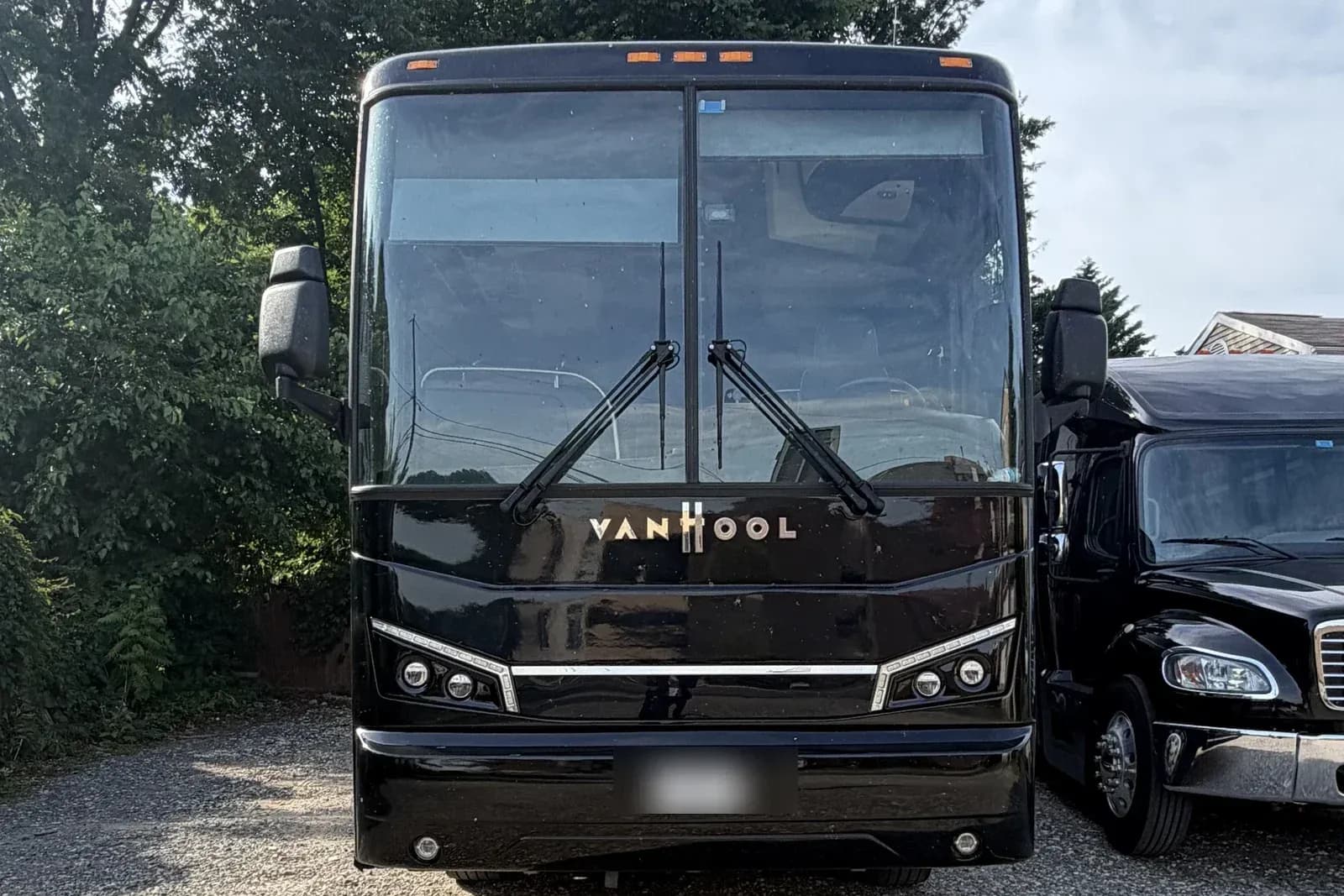
For example, 46 students, 4 chaperones, 2 teachers and 1 aide require 53 passenger seats. A 56-passenger VanHool motorcoach leaves 3 seats in that example, provided the assigned vehicle's approved layout supports the group.
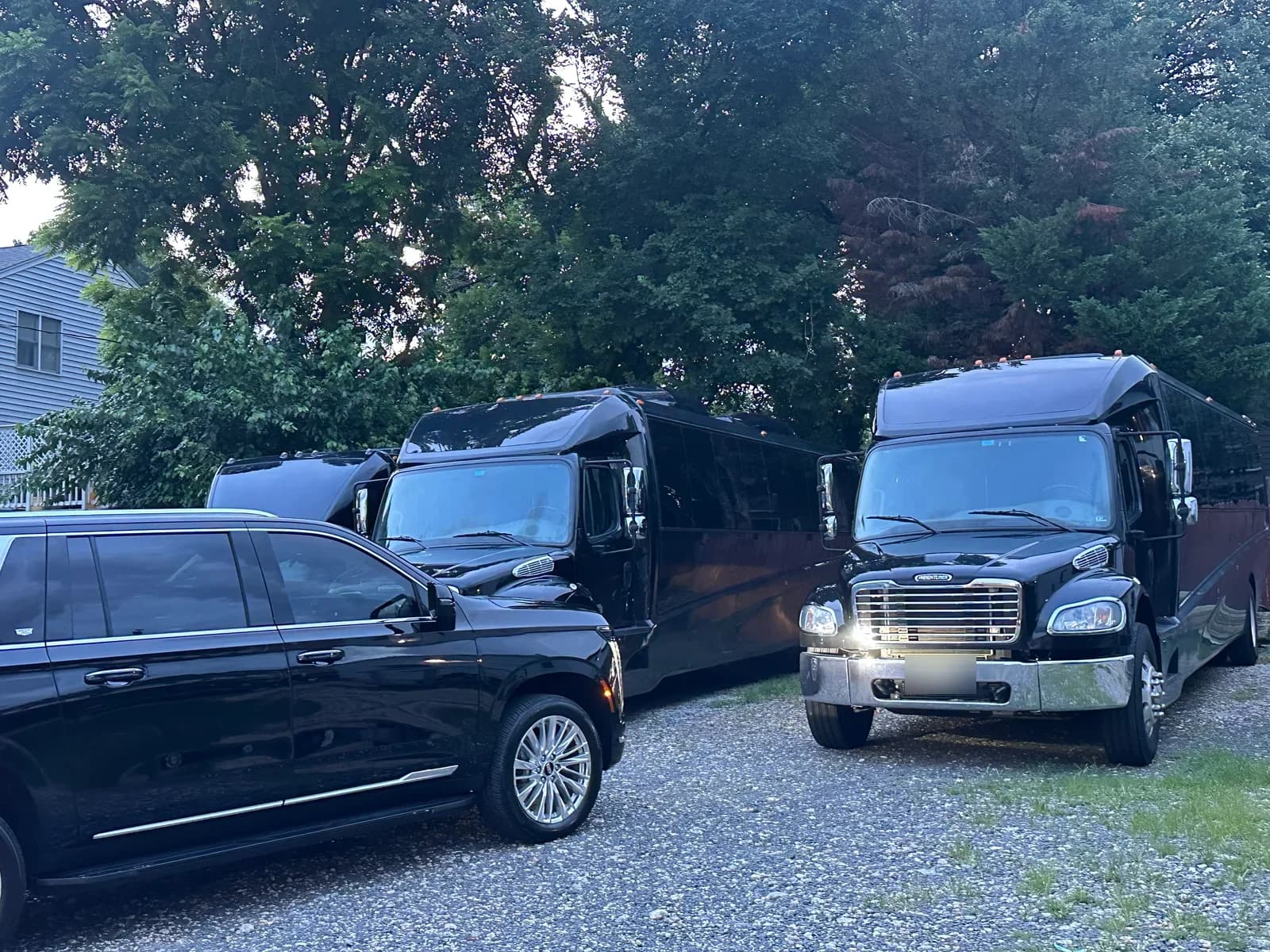
AZA Transportation lists vehicles with capacities up to 30 on the Mini Party Bus, 40 on the GM40 black bus and 56 on the VanHool motorcoach. Review the group transportation vehicle size guide if you are still comparing options, then request confirmation of the assigned vehicle, since accessible seating configurations and equipment storage can affect the usable layout.
Update the checklist when enrollment changes. Set a final-count deadline and label roster versions with a date. Reconcile additions and withdrawals across permission forms, meal counts, tickets and bus assignments.
Verify the Transportation Company and Assigned Vehicle
Check the actual carrier before accepting a quote. Request the legal operating name and U.S. Department of Transportation (USDOT) number when applicable, and ask whether another carrier could operate the trip.
Use the Federal Motor Carrier Safety Administration (FMCSA) carrier search to review authorization and safety information. Contact the state oversight agency for carriers operating only within one state when federal records do not cover the operation, and have district staff review insurance documentation against district requirements.
Record the review date on the checklist. Request written confirmation of the vehicle category, passenger capacity, seat belts, dispatch contact and replacement procedures. Ask how the company handles breakdowns and proposed substitutions, and require school approval before a substitute vehicle carries students.
Confirm Seat Belts, Accessibility and Needed Amenities
Choose required safety and access features before optional entertainment. Passenger lap-and-shoulder belts at every seating position and a pre-trip safety briefing are standard recommendations for charter vehicles. Confirm the assigned coach's equipment rather than relying on a fleet photo.
Discuss wheelchair boarding, securement, accessible seating, service animals and assistance needs through the school's approved process, and confirm boarding space at both locations. Share only the information the transportation team needs to provide the requested accommodation.
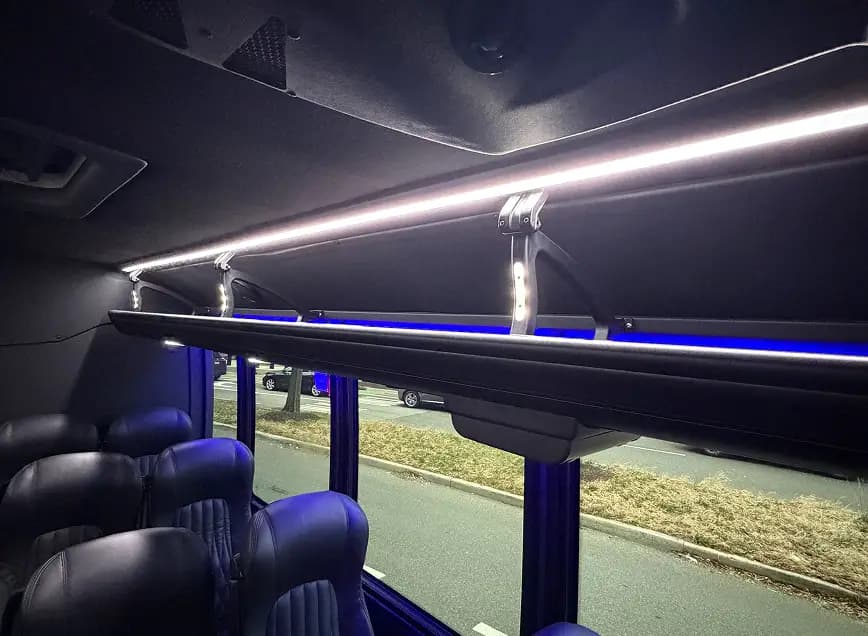
Use the checklist to confirm air conditioning, storage, restroom availability and power outlets. Amenities vary by vehicle. An onboard restroom does not replace scheduled restroom breaks, and Wi-Fi does not guarantee connectivity. List required features separately from preferences, and keep lunches, mobility equipment and emergency supplies accessible without blocking aisles or exits.
Request an Itemized Charter Bus Quote
Compare quotes using the same itinerary and passenger count. Send each provider the trip date, addresses, loading times, destination stops, return window, passenger total and accessibility requirements. Review AZA's published rates before you request a quote.
Ask the provider to identify these charges and contract terms:
- Vehicle time, mileage and applicable minimums
- Parking, tolls, permits and fuel-related charges
- Waiting time, overtime and itinerary-change fees
- Driver lodging or relief-driver costs when relevant
- Deposits, payment dates and cancellation deadlines
- Cleaning charges, gratuities and weather-related changes
Attach the written quote to the checklist. Separate transportation costs from admission tickets, lunches and other school expenses, and calculate the family contribution using a realistic paid enrollment count.
For illustration, a $1,200 transportation quote divided among 48 paying students equals $25 each. The same quote divided among 40 paying students equals $30 each. These figures show budgeting math, not AZA pricing.
Build the Itinerary Around Boarding and Access Time
Schedule the full movement of the group, not just driving time. Include attendance, boarding, traffic, unloading, security screening, restroom stops, meals and regrouping. Ask the carrier to review the itinerary against driver availability and applicable hours-of-service requirements.
For a hypothetical 10:00 a.m. program, reserve 20 minutes for unloading and entry, then work backward from the provider's route estimate. Set student arrival earlier than bus departure, and record arrival and departure as separate times on the checklist. Confirm the destination's actual group-entry requirements before finalizing those allowances.
Add exact loading addresses and entrances to the checklist. A museum's mailing address may differ from the coach entrance, so ask where the driver can stage, park and return for pickup.
For Washington, DC group travel, confirm destination-specific bus access and planned street closures. Share the pickup pin with adults, but have the driver verify a legal, workable stopping location.
Organize Permission Forms and Emergency Information
Keep required forms complete, current and available to authorized staff. Collect guardian permission, emergency contacts, approved pickup information and school-required health documents by the district deadline.
Create a master field trip list and a separate roster for each bus. Assign each student to a named adult, and keep detailed medical information separate from general rosters, limiting access to staff who need the information.
Store an offline copy of essential contacts for use without cellular service, and carry printed records securely under school policy. Share medication needs with the school nurse and arrange authorized storage and administration; the driver should not become the default medication coordinator.
Mark document readiness on the checklist. Before departure, confirm that late additions have the same approvals and support arrangements as the original group.
Assign Chaperone Roles and Attendance Checks
Name one trip lead and one accountable adult for each bus. Follow the district's chaperone requirements for student age, activity, accessibility and support needs, and give the backup lead access to the checklist before departure. A single adult-to-student ratio does not apply to every trip.
Give each chaperone a roster, meeting locations, emergency instructions and contact numbers. Assign adults to supervise the front and rear of the group during movement, and identify who communicates with dispatch and who remains responsible for student supervision during a disruption.
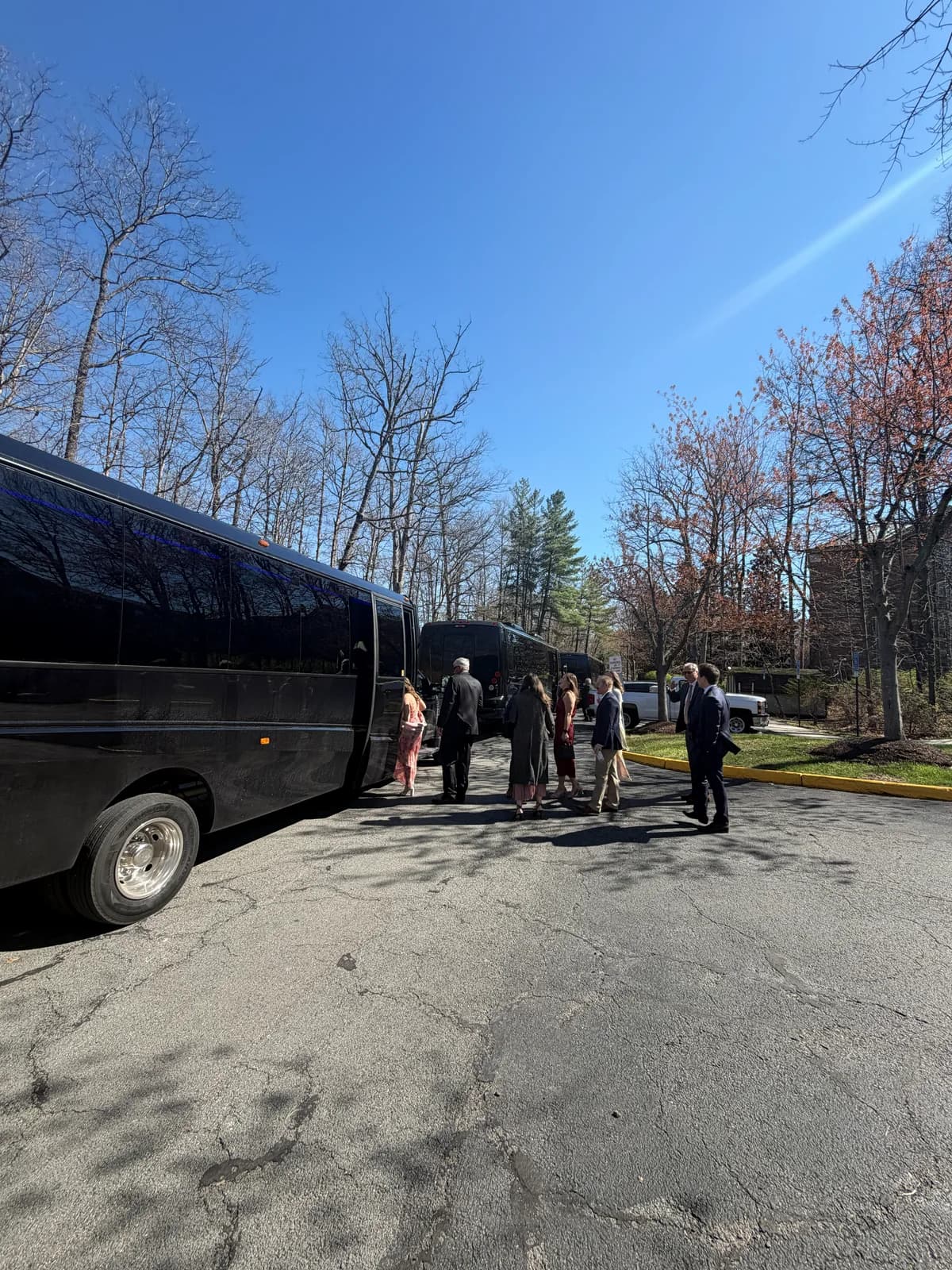
Build name-by-name attendance checks into the checklist. Check students before boarding, after boarding, after each stop and before every departure. Match names to the roster rather than accepting a total alone, and resolve every mismatch while the vehicle remains parked.
Explain Field Trip Expectations for Students
Teach specific behaviors before students reach the bus. Review these expectations in the classroom and repeat essential instructions before departure:
- Wait in the assigned area with your chaperone.
- Board only when an adult gives permission.
- Stay seated and wear the provided seat belt properly.
- Keep bags, feet and belongings out of aisles.
- Speak at a volume that does not distract the driver.
- Follow the driver's safety briefing and adult directions.
- Remain with your assigned group at every stop.
- Report illness, unsafe behavior or separation immediately.
Explain food, device and restroom rules using the school and carrier policies. Give students a meeting location and a clear instruction to ask an identified staff member for help when separated.
Record the briefing on the checklist. Send families the same field trip expectations, including departure times, packing limits, prohibited items and the approved return-pickup process.
Prepare the Field Trip List for Packing
Pack for the destination, weather and length of the trip. Give families a short field trip list with required items separated from optional items, or share AZA's charter bus packing checklist as a starting point.
Request a labeled lunch, weather-appropriate clothing, comfortable shoes and an approved water bottle, and follow venue restrictions and school allergy procedures.
The trip lead should carry secure rosters, a charged phone, a power bank, emergency contacts, approved first-aid supplies and destination confirmations. Keep essential supplies in the passenger area rather than inaccessible luggage storage.
Check packing requirements against the checklist, confirm food and drink rules with the carrier, and avoid valuables and unnecessary bags that slow boarding or reduce usable storage.
Reconfirm the Plan and Manage Trip-Day Changes
Reconfirm operational details the day before travel. Verify the passenger count, assigned vehicle, school lead, dispatch number, pickup address, destination contact, weather plan and return window, and use the carrier's agreed process to obtain driver contact details.
Review the checklist with the bus lead before loading. Confirm the driver provides the safety briefing, adults understand attendance duties, and emergency supplies are accessible, and allow the driver to complete required vehicle checks without interruption.
For a delay, keep students in a supervised location and contact dispatch. Have the trip lead notify the destination and school office, and send families a revised return estimate through the school-approved channel.
Document who can cancel or modify the trip. Establish a supervised waiting location and a replacement transportation process before travel, and record the decision maker and notification sequence on the checklist. Do not rush boarding or pressure the driver to recover lost time through unsafe driving.
Complete the Return and Close the Trip
Keep supervision in place until every student follows the approved dismissal procedure. Take attendance before leaving the destination and after any return stop, and confirm the school knows the updated arrival time.
At school, release students through the authorized pickup process, and record guardian pickup changes under school policy. Have designated adults check every row, restroom when present and luggage area in coordination with the driver.
Close the checklist after all students are accounted for. Log lost property, incidents, schedule changes and additional charges, compare the final invoice with the agreement, and save useful timing notes for the next trip.
Frequently Asked Questions About the School Field Trip Transportation Checklist
What belongs on a school field trip transportation checklist?
Include approvals, passenger totals, carrier checks, required vehicle features, contracts, rosters, emergency contacts and return procedures. Assign an owner and deadline to each task, and keep the checklist current as attendance and plans change.
How early should a school book a charter bus?
Request availability as soon as the school approves a workable date and estimated group size. Spring travel, major events and multi-day itineraries can limit options, so confirm the provider's deadlines instead of treating a suggested planning window as guaranteed availability.
Can schools use charter buses for field trips?
Yes, when the vehicle and arrangement meet applicable state and district requirements. Confirm approval with the district transportation office. A charter motorcoach differs from a school bus, and capacity alone does not establish suitability for student transportation.
How many chaperones does a field trip need?
Use the district-required number, then account for the activity and individual student needs. Record the approved ratio and adult assignments on the checklist, and confirm that all required adults have seats and completed screening.
Do charter buses have restrooms and Wi-Fi?
Yes, on some vehicles; availability depends on the assigned vehicle. Request written confirmation of restrooms, Wi-Fi, outlets and storage, and schedule restroom breaks even when an onboard facility is available. Carry offline rosters and contacts because internet service can vary along the route.
What should students bring on a field trip?
Bring the school-approved lunch, water, clothing and required learning materials, and follow medication procedures as directed by authorized school staff. Keep the student packing list short and specific to the destination, weather, carrier rules and available storage.
What happens when a bus is delayed or breaks down?
The trip lead contacts dispatch, maintains supervision and updates the school office. Follow the agreed replacement plan and notify families through the approved channel, and keep emergency contacts and a safe waiting location on the checklist.
Ready to Plan Your School Field Trip With AZA Transportation?
Send AZA your date, passenger count, route and required arrival time, and share this checklist with your transportation contact so both teams can review capacity, loading access, required features and return arrangements. AZA provides charter bus service in DC, Maryland and Virginia, including school visits and campus travel. Call (571) 725-8544 or request a quote to lock in your 2026 school trip.
About the author:
Amar-Awan